


Camera crossbody bags have become an essential accessory for photographers who value mobility, protection, and everyday usability. Positioned between professional camera backpacks and casual shoulder pouches, this bag type balances function and style, making it popular among hobbyists, content creators, and urban photographers alike. Below is a structured introduction to help brands and buyers fully understand what a camera crossbody bag is and why it matters.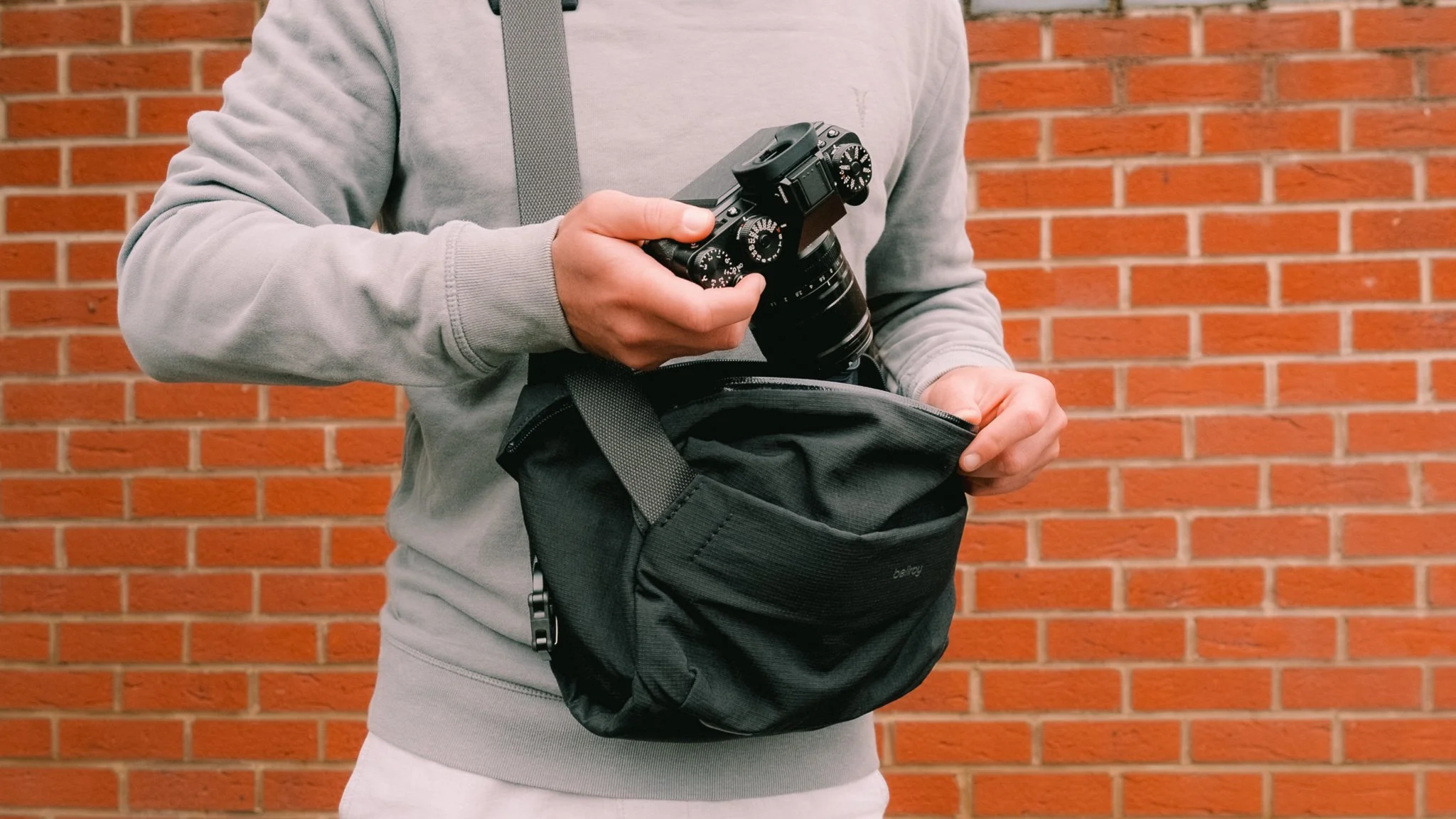
1. What Is a Camera Crossbody Bag?
A camera crossbody bag is a compact camera bag designed to be worn diagonally across the body using a single strap. Unlike backpacks, it allows quick front access to camera gear without removing the bag. Its primary purpose is to securely carry a camera body and one or two lenses while keeping the setup lightweight and discreet.
This bag category is often chosen for mirrorless cameras, compact DSLRs, or premium point-and-shoot cameras.
2. Origin and Market Background
Camera crossbody bags originated from the needs of street and travel photographers who wanted faster access and less bulk than traditional camera backpacks. As photography moved beyond studios into everyday life—travel, vlogging, and social media—this bag style evolved into a hybrid of camera protection and lifestyle fashion.
Today, it sits at the intersection of photography gear and casual crossbody bags, making it attractive to both functional and fashion-focused brands.
3. Core Design Features
Camera crossbody bags are built around accessibility and protection. Common design elements include:
-
Front or side quick-access openings
-
Adjustable padded shoulder straps
-
Internal dividers with shock-absorbing foam
-
Low-profile silhouettes to avoid drawing attention
Many designs also incorporate anti-theft zippers or hidden pockets to support urban use.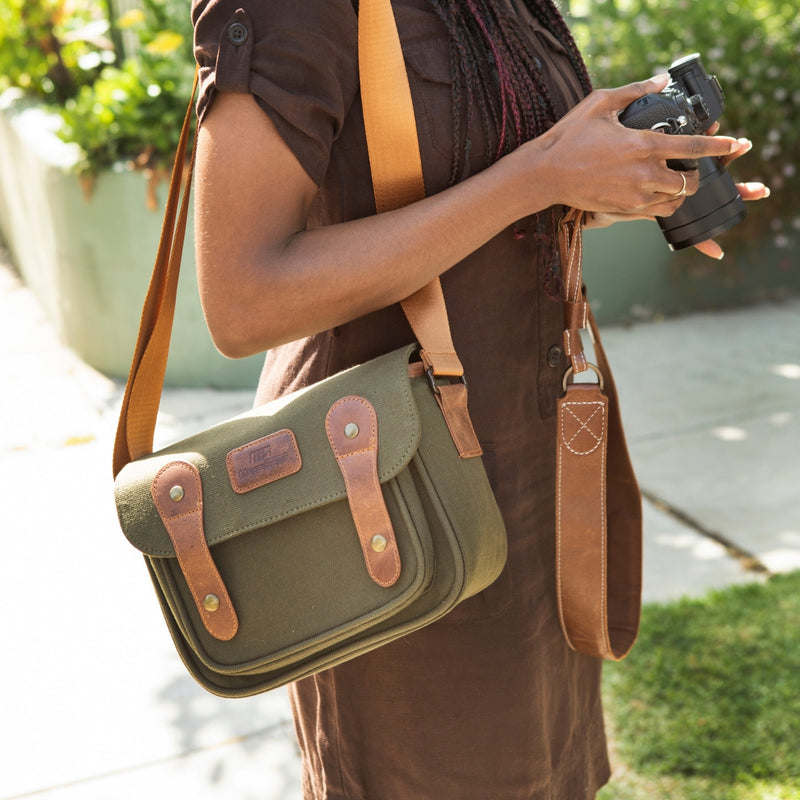
4. Weight and Carrying Comfort
Weight control is a key design principle. A well-designed camera crossbody bag usually weighs significantly less than a backpack, even when padded. Lightweight construction helps reduce shoulder fatigue during long shooting sessions.
To improve comfort, manufacturers often add:
-
Breathable back panels
-
Wide, pressure-distributing straps
-
Balanced internal layouts to prevent swinging
5. Typical Use Scenarios
Camera crossbody bags are ideal for:
-
Street photography
-
Daily city commuting
-
Travel and sightseeing
-
Content creation and vlogging
-
Casual professional shoots
They are not intended for carrying large amounts of gear but excel when speed and mobility are more important than capacity.
6. Material Selection and Performance
Material choice directly affects durability, appearance, and cost. Common materials include:
-
Nylon and polyester: lightweight, water-resistant, cost-efficient
-
PU leather: offers a leather-like appearance with easier maintenance
-
Genuine leather: premium look, higher durability, higher cost
-
Canvas blends: casual style with good abrasion resistance
Interior linings usually feature soft microfiber or brushed fabrics to protect camera surfaces from scratches.
7. Size and Capacity Recommendations
Most camera crossbody bags fall into small to medium sizes, typically accommodating:
-
1 camera body
-
1–2 lenses
-
Small accessories (battery, memory cards, phone)
For mirrorless systems, slimmer profiles are recommended, while DSLR users may require slightly deeper structures. Brands should define size specifications based on target camera systems and user habits.
Camera Crossbody Bags and OEM Customization with HerminFashion
As a professional bag OEM manufacturer, HerminFashion supports brands looking to develop camera crossbody bags at scale. From material sourcing and structural development to logo customization and bulk production, the factory provides end-to-end OEM services tailored to brand positioning and market needs.
Whether your focus is functional photography gear or lifestyle-inspired camera bags, HerminFashion helps transform concepts into reliable, production-ready products.