


La couleur est plus qu'une simple esthétique, c'est un composant essentiel de la performance, de la constance et de la longévité du cuir. Lorsque les marques personnalisent des sacs en cuir, comprendre comment le cuir est teint permet de déterminer le coût, l'apparence et la durabilité. Deux méthodes de teinture du cuir largement utilisées sont la teinture en foulon et la teinture de surface.
Ce guide explique en détail les deux procédés, compare leurs forces et leurs faiblesses, et discute de l'approche qui produit le meilleur cuir pour la fabrication de sacs.
1. Qu'est-ce que la teinture en foulon ? Processus et caractéristiques clés

Définition et processus
La teinture en foulon – également connue sous le nom de teinture en tonneau – consiste à placer des peaux ou des refentes de cuir dans un grand tambour rotatif rempli de bain de teinture. Au fur et à mesure que le tambour tourne, les molécules de colorant pénètrent uniformément dans la peau de l'intérieur vers l'extérieur.
Les étapes comprennent généralement :
-
Pré-nettoyage et conditionnement
-
Chargement des peaux dans le tambour
-
Introduction du bain de teinture et des améliorants chimiques
-
Rotation continue sous température contrôlée
-
Rinçage et séchage
Caractéristiques clés
-
Pénétration profonde : le colorant sature l'épaisseur du cuir
-
Consistance : la distribution du colorant est uniforme même sur les peaux plus épaisses
-
Solidité des couleurs : forte résistance à la décoloration due au frottement et à l'exposition à la lumière
La teinture en foulon est idéale pour le cuir destiné à supporter une utilisation prolongée et des conditions difficiles.
2. Qu'est-ce que la teinture de surface ? Processus et caractéristiques clés

Définition et processus
La teinture de surface applique la couleur sur la couche externe du cuir après le tannage. Au lieu de pénétrer en profondeur, les colorants de surface se fixent sur la fleur à l'aide de sprays, de brosses ou de rouleaux. Des pigments et des liants chimiques sont souvent utilisés pour obtenir des effets visuels.
Caractéristiques clés
-
Accent sur la couche supérieure : la couleur réside principalement en surface
-
Contrôle visuel : plus facile d'obtenir une nuance constante et des finitions artistiques
-
Délai d'exécution rapide : plus rapide que la teinture en foulon pour certaines tailles de lot
La teinture de surface est couramment utilisée pour les finitions décoratives, le cuir de mode et les sacs où la correspondance précise des couleurs est essentielle.
3. Teinture en foulon vs. teinture de surface : Avantages et inconvénients
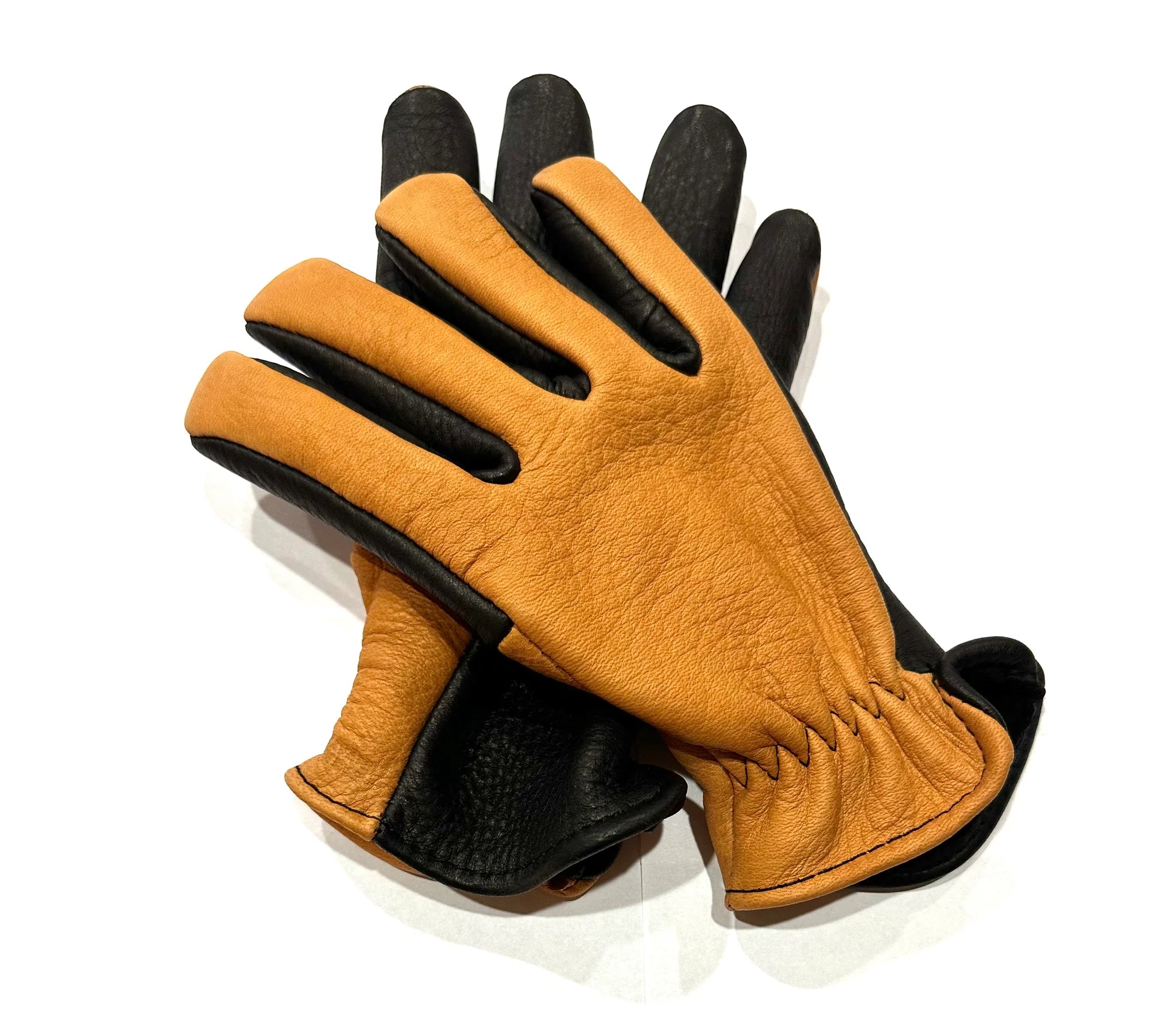
Voici une comparaison rapide :
| Caractéristique | Teinture en foulon | Teinture de surface |
|---|---|---|
| Pénétration de la couleur | Profonde dans toute la peau | Principalement la couche supérieure |
| Résistance à la décoloration | Excellente | Modérée |
| Contrôle visuel | Modéré | Élevé |
| Maintien de la texture | Grain naturel conservé | Grain naturel visible |
| Rentabilité | Plus élevée pour les peaux de couleur profonde | Moins élevée pour les finitions de surface uniquement |
| Consistance des lots | Forte | Bonne (nécessite une finition experte) |
Avantages de la teinture en foulon
-
Couleur durable qui tient à l'usage intensif
-
Forte résistance au frottement et à l'abrasion
-
Convient aux sacs de tous les jours soumis à des contraintes
Avantages de la teinture de surface
-
Meilleur contrôle pour des nuances et des motifs spécifiques
-
Idéal pour les designs avant-gardistes et les séries limitées
-
Coûts initiaux réduits pour la personnalisation de petits lots
Limitations
-
La teinture en foulon exige un contrôle précis du processus et un temps de traitement plus long.
-
La teinture de surface peut montrer des signes d'usure avec le temps si la couleur reste uniquement sur la couche supérieure.
4. Quelle méthode produit un meilleur cuir ?
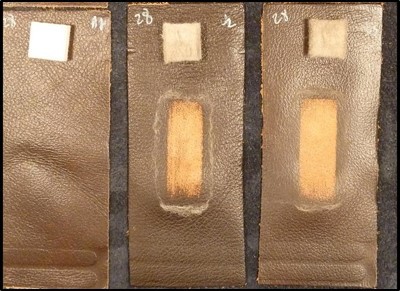
La réponse dépend des exigences d'utilisation finale et des priorités de la marque.
Teinture en foulon pour la performance
Si votre marque privilégie la longévité, la fonctionnalité au quotidien et la durabilité, le cuir teint en foulon est souvent le meilleur choix. Comme la couleur est intégrée dans tout le matériau, il :
-
Résiste à l'usure et à la décoloration
-
Conserve son apparence après une utilisation prolongée
-
Est performant dans les zones de forte friction (bords, poignées)
Pour les marques OEM/ODM qui se concentrent sur les sacs de tous les jours durables, les sacs messager ou les bagages, le cuir teint en foulon offre souvent une plus grande valeur.
Teinture de surface pour l'esthétique
La teinture de surface excelle lorsque la précision visuelle est essentielle. La correspondance fine des couleurs, les finitions créatives et les tendances de la mode bénéficient de :
-
Application contrôlable du pigment
-
Coloration de surface uniforme
-
Améliorations artistiques
Cependant, comme la couleur est concentrée sur la couche extérieure, elle peut s'user plus rapidement dans des environnements à forte abrasion.
Approches hybrides
De nombreux fabricants modernes utilisent une combinaison de méthodes de teinture :
-
Teinture en foulon pour la couleur de base
-
Finition de surface pour l'affinage de la nuance finale
Cette approche hybride allie durabilité et contrôle esthétique raffiné, ce qui la rend idéale pour les collections de sacs haut de gamme.
Choisir la bonne méthode de teinture pour les sacs en cuir personnalisés
Lorsque vous planifiez la production de sacs en cuir personnalisés, tenez compte des éléments suivants :
-
Utilisation par le client cible (trajet quotidien vs. usage occasionnel)
-
Attentes concernant le cycle de vie du matériau
-
Complexité du design et exigences de couleur
-
Coût de production et échelle du lot
Des partenaires comme HerminFashion comprennent comment les choix de teinture affectent à la fois la performance et l'esthétique. En alignant les méthodes de teinture sur vos objectifs de conception, HerminFashion aide les marques à produire des sacs fiables et d'une apparence exceptionnelle.