


Custom Pet Carrier Bag Manufacturer: OEM/ODM Guide for Brands and Retailers
Pet carrier bags are no longer viewed only as basic travel products for pets. For many brands and retailers, they have become a growing product category that combines pet care, fashion accessories, lifestyle design, and practical daily use. A well-designed pet carrier bag needs to be comfortable for pets, convenient for owners, and attractive enough to match modern consumer preferences.
For brands that want to enter or expand in this category, choosing the right custom pet carrier bag manufacturer is an important decision. The manufacturer does not only produce the final product. A reliable partner can also support material selection, product structure, sample development, logo customization, packaging, and bulk production.
This guide explains what brands and retailers should consider when developing OEM/ODM pet carrier bags, including product styles, materials, customization options, functional details, MOQ, production planning, and quality control.
Why Pet Carrier Bags Are Becoming a Valuable Product Category

Pet owners today are looking for products that are practical but also visually appealing. A pet carrier bag is not just a container for moving a dog or cat from one place to another. It is often used during shopping, short trips, daily commuting, outdoor walks, and travel. Because of this, consumers expect a product that feels comfortable, looks stylish, and works well in real daily scenarios.
This creates strong opportunities for pet accessory brands, fashion brands, retailers, and wholesalers. A pet carrier bag can fit naturally into different product lines, including pet travel accessories, women’s bags, lifestyle collections, and gift-oriented products.
Pet Travel Products Are Becoming More Fashion-Oriented
Traditional pet carriers are often designed with function as the only priority. However, many customers now prefer carrier bags that look closer to handbags, shoulder bags, tote bags, or crossbody bags. This is especially common among small dog owners who want a carrier that feels suitable for daily life rather than only for transportation.
This shift is one reason why fashion pet carrier bags are becoming more attractive to brands. Details such as PU texture, quilted stitching, metal hardware, chain straps, structured shapes, and soft color options can make a pet carrier look more premium and easier to sell through fashion or lifestyle channels.
Small Dog Carrier Bags Have Strong Market Potential
Small dog carrier bags are especially suitable for city life. Small breeds are easier to carry, and owners often use pet bags for short-distance movement, shopping, travel, and daily outings. Compared with larger pet travel products, small dog carrier bags can be made more compact, more stylish, and more suitable for retail display.
For brands, this means there is room to develop products that balance comfort, appearance, and portability. A well-made small dog carrier bag can serve both practical needs and fashion preferences.
Pet Carrier Bags Can Extend Existing Bag Collections
For brands already selling handbags, tote bags, travel bags, or fashion accessories, pet carrier bags can be a natural extension. A handbag-style pet carrier can use similar materials, hardware, stitching techniques, and design language as women’s bags, while adding pet-friendly features such as side mesh ventilation, internal safety leashes, and stable bottom support.
This is also where an experienced bag manufacturer has an advantage. Pet carrier bags require both handbag manufacturing knowledge and pet product functionality. The product must look refined, but it must also be safe, breathable, and durable enough for actual use.
What Is a Custom Pet Carrier Bag?

A custom pet carrier bag is a pet travel bag developed according to a brand’s product requirements. It can be based on an existing style or fully developed from a new design concept.
Customization may include:
-
Material selection
-
Size adjustment
-
Color development
-
Bag structure
-
Side mesh ventilation panels
-
Handle and shoulder strap design
-
Zipper and hardware selection
-
Interior lining
-
Removable bottom pad
-
Internal safety leash
-
Logo application
-
Hang tags and packaging
A custom pet carrier bag is not simply a standard bag with a logo added. It should be developed with three key factors in mind: pet comfort, owner convenience, and brand positioning. The final product should match the target customer, sales channel, price range, and product image.
For example, a boutique pet brand may prefer a quilted PU pet carrier bag with gold-tone hardware and branded packaging. A travel-focused retailer may prefer a lightweight polyester pet carrier bag with functional pockets and breathable mesh. A fashion accessory brand may choose a handbag-style pet carrier that coordinates with its existing collection.
What to Look for in a Pet Carrier Bag Manufacturer

Choosing the right pet carrier bag manufacturer is one of the most important steps in product development. A supplier should not only be able to sew a bag. They should understand the structure, function, and commercial requirements of pet carrier products.
Experience in Bag Structure and Pet-Friendly Design
A pet carrier bag has more functional requirements than a regular handbag. It needs enough internal space for the pet, stable bottom support, breathable panels, secure closures, and reinforced handles or straps.
A qualified pet carrier bag manufacturer should understand how to balance these elements without making the product look bulky or unattractive. For fashion-style pet carriers, this balance is especially important. The bag should look like a refined accessory, but the pet-friendly functions must still be clearly built into the design.
Important structural points include:
-
Side mesh panels or ventilation holes
-
Stable base construction
-
Reinforced stress points
-
Secure zipper closures
-
Comfortable interior lining
-
Internal safety leash
-
Durable handle and strap connections
-
Easy-to-clean interior details
These details affect not only product quality, but also customer satisfaction after purchase.
Material Sourcing Capability
A reliable pet carrier bag supplier should offer different material options based on the brand’s target market and price positioning. Common materials include PU, canvas, polyester, eco-friendly fabrics, mesh panels, padding materials, and lining fabrics.
Material selection directly affects the product’s appearance, durability, cleaning method, weight, and cost. For example, PU is suitable for a more fashionable and leather-look pet carrier bag, while polyester is more suitable for lightweight and functional designs. Canvas can create a more casual and natural style.
For custom projects, material sourcing capability is important because brands may need specific colors, textures, finishes, or eco-friendly alternatives.
OEM and ODM Development Ability
Brands should also check whether the supplier can support both OEM and ODM development.
An OEM pet carrier bag project usually starts with the customer’s own design, sample, or detailed specification. The manufacturer produces the product according to the brand’s requirements.
An ODM pet carrier bag project usually starts from the manufacturer’s existing styles or development experience. The customer can customize colors, materials, logos, hardware, and packaging based on available structures.
For many brands and retailers, ODM can be a more efficient option when testing a new product category. Once the market response is clear, the brand can move toward more customized or exclusive designs.
Quality Control and Production Stability
Product quality must be consistent from sample to bulk production. A good pet carrier bag factory should have clear quality control standards for materials, stitching, zippers, hardware, mesh panels, bottom support, and packaging.
For B2B buyers, stable production is just as important as attractive design. A beautiful sample is not enough if bulk production cannot maintain the same quality level. Before placing a larger order, buyers should confirm sample details, production standards, inspection points, and packaging requirements.
OEM vs. ODM Pet Carrier Bag: What Is the Difference?

Many buyers use the terms OEM and ODM together, but they are not exactly the same. Understanding the difference can help brands choose a better development route.
OEM Pet Carrier Bag
An OEM pet carrier bag is usually produced according to the customer’s existing design or specification. The brand may provide design drawings, reference samples, material requirements, color standards, logo placement, and packaging instructions.
OEM is suitable for brands that already have a clear product concept or want to develop an exclusive style.
This option is often suitable for:
-
Established brands with design teams
-
Retailers with clear product specifications
-
Customers who want exclusive structures
-
Brands that need specific materials, colors, or hardware
-
Buyers who already have a sample they want to improve or reproduce
OEM gives brands more control over the final product, but it may require more communication, sampling, and development time.
ODM Pet Carrier Bag
An ODM pet carrier bag is based on the manufacturer’s existing design resources or mature product structures. The customer can select a style and customize certain elements such as material, color, logo, lining, strap, hardware, and packaging.
ODM is suitable for brands that want to enter the pet carrier category quickly or reduce development risk.
This option is often suitable for:
-
New brands testing the pet accessory market
-
Retailers looking for faster product launches
-
Wholesalers needing practical and proven styles
-
Brands that want private label pet carrier bags
-
Buyers who prefer lower development complexity
ODM can help shorten the development cycle and make the first order easier to manage.
Which Option Is Better for Your Brand?
There is no single best option for every buyer. If your brand already has a strong design direction and wants a unique product, OEM may be more suitable. If you want to test the market quickly and control development cost, ODM may be more practical.
For many brands, the best approach is to start with a mature ODM style, customize it with brand colors and logo details, and then develop more exclusive OEM designs after market validation.
Popular Custom Pet Carrier Bag Styles for Brands

Different brands need different product styles depending on their target customers. Below are some common pet carrier bag styles that can be developed for retail or wholesale markets.
Handbag Style Pet Carrier
A handbag-style pet carrier is designed to look close to a fashion handbag while still functioning as a pet carrier. This style is suitable for customers who care about appearance and want a pet bag that matches daily outfits.
Common design elements include structured shapes, PU leather-look materials, gold-tone hardware, zipper closures, side mesh panels, and removable shoulder straps.
This type of product is especially suitable for fashion brands, boutique pet stores, online retailers, and brands targeting female consumers.
Shoulder Pet Carrier Bag
A shoulder pet carrier bag is practical for daily outings and short-distance travel. It allows the owner to carry the pet more comfortably without using only the hands.
For this style, the shoulder strap must be carefully designed. The strap width, attachment points, hardware strength, and stitching reinforcement all affect the carrying experience. A removable or adjustable shoulder strap can make the product more flexible for different users.
Crossbody Pet Carrier Bag
Crossbody pet carrier bags are suitable for customers who prefer hands-free carrying. This style can appeal to younger consumers and urban pet owners, especially when the design is compact and casual.
When developing a crossbody pet carrier, balance is important. The bag should stay stable while being carried, and the shoulder strap should distribute weight comfortably.
Fashion Quilted Pet Carrier Bag
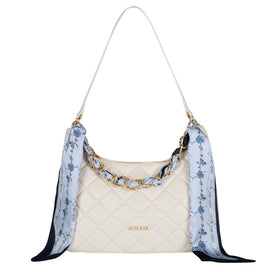
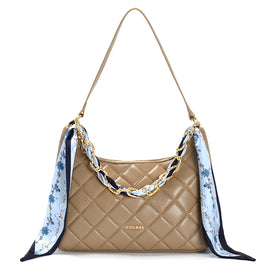
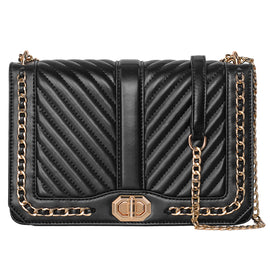
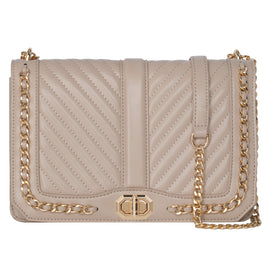
Quilted pet carrier bags are a strong option for brands that want a more refined and fashionable look. Diamond quilting, soft PU materials, chain straps, metal locks, and elegant colors can make the product feel closer to a premium fashion accessory.
This style is especially suitable for brands looking to develop a more feminine, giftable, or boutique-oriented pet carrier collection.
Material Options for Custom Pet Carrier Bags
Material selection plays a major role in the final product. It affects the look, durability, cleaning method, weight, cost, and target market.
PU Pet Carrier Bag
A PU pet carrier bag is one of the most suitable options for fashion-style pet carriers. PU can create a leather-look appearance while offering flexibility in color, texture, embossing, and quilting.
PU is also practical for daily use because it is relatively easy to clean. For pet carrier bags, this is an important advantage because the product may come into contact with pet hair, dust, and daily outdoor environments.
PU works well for:
-
Handbag-style pet carriers
-
Quilted pet carrier bags
-
Structured small dog carrier bags
-
Fashion pet carrier bags
-
Private label pet carrier collections
For brands that want to position their products as stylish and premium, PU is often a strong material choice.
Canvas Pet Carrier Bag
Canvas creates a more casual and natural appearance. It is suitable for lifestyle brands, outdoor-inspired collections, and customers who prefer a softer, more relaxed style.
Canvas can also be combined with PU trims, webbing straps, and metal hardware to improve structure and visual value. For brands focusing on a natural or minimalist look, canvas pet carrier bags can be a good option.
Polyester Pet Carrier Bag
Polyester is commonly used for lightweight and functional pet carrier bags. It is durable, cost-efficient, and suitable for larger production quantities.
A polyester pet carrier bag can include mesh panels, multiple zipper openings, pockets, foldable structures, and travel-friendly details. This material is often suitable for practical pet travel products and price-sensitive markets.
Eco-Friendly Fabric Options
More brands are considering sustainable materials for pet accessories. Eco-friendly fabric options may include recycled fabrics, more responsible material choices, or fabrics developed with sustainability positioning in mind.
If your brand wants to develop an eco-friendly pet carrier bag, it is important to confirm material availability, color options, MOQ, testing requirements, and production stability before starting the project.
Key Functional Details Buyers Should Confirm

A pet carrier bag must look good, but it must also work properly for pets and owners. Buyers should pay close attention to the following functional details during sample development.
Ventilation and Mesh Panels
Ventilation is one of the most important features of a pet carrier bag. A breathable pet carrier bag should include proper airflow through side mesh panels, ventilation holes, or breathable windows.
Side mesh panels are especially useful because they allow air circulation while keeping the bag structure stable. They also make it easier for pets to see outside, which can help reduce discomfort during use.
When developing a pet carrier bag with ventilation, brands should make sure the mesh is durable, securely stitched, and placed in a position that does not weaken the bag structure. The design should also maintain a clean appearance, especially for fashion-style pet carriers.
Stable Bottom Support
The bottom of the bag should be firm enough to support the pet’s weight. If the base is too soft, the pet may feel unstable, and the bag may lose its shape during use.
A removable bottom pad is a practical feature. It improves comfort, supports the pet’s body, and makes cleaning easier.
Zipper Closure and Secure Opening
Zipper closures are common for pet carrier bags because they are practical and secure. The zipper should move smoothly, and the opening should be large enough for the pet to enter and exit comfortably.
For custom pet carrier bags, buyers should check the zipper quality, puller design, opening direction, and whether the closure feels safe during use.
Internal Safety Leash
An internal safety leash is a useful detail that helps prevent pets from jumping out suddenly. It is especially important for small dogs that may move unexpectedly when the bag is opened.
This feature is often simple, but it can make the product feel more professional and pet-friendly.
Handles and Shoulder Straps
Handles and shoulder straps are key stress points. They must be strong enough to support the bag and the pet inside. Reinforced stitching, reliable D-rings, strong hooks, and durable strap materials are important.
For B2B buyers, strap quality should be checked carefully during sampling and inspection. A weak handle or strap can quickly damage the user experience.
Customization Options for Pet Carrier Bags

Customization is one of the main reasons brands work with an OEM/ODM pet carrier bag manufacturer. A good supplier should be able to support both visual customization and structural adjustment.
Custom Logo Options
Logo customization helps turn a standard product into a branded product. Common logo options include:
-
Metal logo plate
-
Embossed logo
-
Printed logo
-
Woven label
-
Leather patch
-
Hang tag
-
Packaging logo
For fashion-style pet carrier bags, logo placement should be visible but not excessive. A subtle metal logo plate or embossed logo can help create a premium brand image.
Color and Material Customization
Brands can customize the outer material color, lining color, mesh color, stitching color, strap color, and hardware finish. For PU pet carrier bags, color customization is especially useful because it allows brands to create seasonal collections or match their existing product line.
Popular colors for fashion pet carrier bags often include black, grey, beige, brown, ivory, and soft pink. These colors are easy to match and suitable for a wide range of consumers.
Hardware Customization
Hardware has a strong influence on the perceived value of the product. Custom hardware options may include zipper pullers, D-rings, buckles, chain straps, magnetic buttons, bottom studs, and logo plates.
For premium pet carrier bags, hardware should be durable, smooth, and visually consistent with the bag design.
Packaging Customization
Packaging is important for retail and online sales. Depending on the sales channel, brands may need dust bags, hang tags, color boxes, barcode labels, outer carton marks, and customized packaging sets.
A well-planned packaging solution can improve brand presentation and make the product more suitable for retail display or e-commerce shipping.
Sample Development Process for Custom Pet Carrier Bags
A clear sample development process helps reduce mistakes before bulk production. For custom pet carrier bags, sampling is especially important because the product must be tested for both appearance and function.
Step 1: Confirm the Design Direction
Before sampling begins, the buyer should confirm the target market, product style, material direction, size, price range, logo method, and packaging requirements.
This stage helps the supplier understand whether the product should be more fashion-oriented, functional, lightweight, premium, or price-sensitive.
Step 2: Select Materials and Hardware
The next step is to confirm materials and components. This includes outer material, lining, mesh, zipper, metal hardware, shoulder strap, bottom pad, and internal safety leash.
For brands developing a custom PU pet carrier bag, this stage may also include selecting PU texture, quilting style, color, and hardware finish.
Step 3: Develop the First Sample
The first sample is used to check the real product structure and appearance. Buyers should review the size, shape, pet space, ventilation, stitching, zipper movement, handle strength, hardware quality, and overall visual effect.
A pet carrier bag may look good in a design drawing, but the real sample is where usability can be properly evaluated.
Step 4: Modify and Approve the Sample
After reviewing the first sample, buyers may request adjustments. Common changes include size adjustment, material change, color correction, logo position, strap length, lining details, mesh panel size, or packaging updates.
Once the sample is approved, it becomes the reference standard for bulk production.
Step 5: Bulk Production
After sample approval, the supplier prepares for bulk production. At this stage, both buyer and supplier should confirm production schedule, material purchase, quality standards, packaging details, and inspection requirements.
Clear communication at this stage helps reduce production delays and quality issues.
MOQ, Lead Time, and Production Planning
MOQ and lead time are important topics for brands and retailers. They can vary depending on the design, material, customization level, and order quantity.
What Affects MOQ?
MOQ may be affected by several factors:
-
Whether the style is existing or newly developed
-
Whether the material is standard or custom-made
-
Whether the color needs special production
-
Whether custom hardware is required
-
Whether the logo method needs mold development
-
Whether custom packaging is needed
-
Whether the order includes multiple colors or SKUs
For first orders, many brands choose a mature style with limited color options to reduce risk.
What Affects Lead Time?
Lead time may depend on sample confirmation, material availability, production complexity, order quantity, packaging requirements, and factory schedule.
More customized products usually require longer preparation time. Buyers should allow enough time for sampling, modification, approval, production, inspection, and shipping.
How Brands Can Reduce Development Risk
Brands can reduce risk by starting with a focused product plan. Instead of launching too many SKUs at once, it is often better to begin with one or two strong styles, choose practical colors, and test the market response.
After sales data is available, the product line can be expanded with more colors, materials, or exclusive designs.
Quality Control Checklist for Pet Carrier Bags
Quality control should cover both fashion bag standards and pet product functionality. Buyers should not only check whether the product looks good, but also whether it can be used safely and comfortably.
A practical quality checklist may include:
-
Side mesh ventilation panels are securely stitched
-
Zippers open and close smoothly
-
Handles are reinforced
-
Shoulder straps can support the recommended weight
-
Bottom support is stable
-
Interior lining is clean and comfortable
-
Removable pad fits properly
-
Internal safety leash is firmly attached
-
Hardware has no sharp edges
-
Stitching is even and durable
-
Product size matches the approved sample
-
Color and material are consistent
-
Packaging meets brand requirements
For pet carrier bags, small details can have a big impact on the final user experience. This is why sample review and bulk inspection are both important.
Common Mistakes Brands Should Avoid
When developing custom pet carrier bags, some brands focus too much on appearance and overlook practical details. This can lead to product complaints or weak repeat sales.
Common mistakes include:
-
Choosing a stylish design without enough ventilation
-
Ignoring side mesh panels or airflow
-
Making the bag too small for pet comfort
-
Using weak bottom support
-
Not confirming the recommended weight range
-
Choosing heavy hardware that makes the bag difficult to carry
-
Using straps or handles without enough reinforcement
-
Placing the logo in an awkward or unattractive position
-
Starting bulk production before properly reviewing the sample
-
Creating too many SKUs for the first order
-
Working with a supplier that does not understand pet carrier structure
Avoiding these mistakes can help brands develop products that are more practical, more reliable, and easier to sell.
Why Choose an Experienced Custom Pet Carrier Bag Manufacturer?
An experienced custom pet carrier bag manufacturer can help brands turn ideas into market-ready products more efficiently. The right supplier understands both design and production. More importantly, they understand how pet carrier bags need to balance appearance, comfort, ventilation, structure, and durability.
For brands and retailers, this means better support during product development. Instead of only receiving a finished product, buyers can receive guidance on material selection, structure adjustment, logo methods, packaging options, and production planning.
Our Pet Carrier Bag Series is designed for brands looking for stylish and functional pet carrier solutions. The collection includes PU pet carrier bags, handbag-style pet carriers, shoulder carrier styles, and quilted fashion pet carrier bags. Many styles include side mesh ventilation panels, zipper closures, structured bodies, comfortable handles, and options for removable shoulder straps.
For OEM/ODM projects, we can support customization in materials, colors, hardware, lining, logo application, straps, and packaging. Whether you are developing a private label pet carrier bag collection or adding pet bags to an existing fashion accessory line, flexible customization can help your products better match your market positioning.
Final Thoughts
Developing a successful custom pet carrier bag requires more than choosing an attractive design. Brands need to consider material, structure, size, ventilation, bottom support, closures, straps, logo placement, packaging, MOQ, and production quality.
A reliable pet carrier bag manufacturer can help brands reduce development risk and create products that are both stylish and practical. For retailers, wholesalers, pet accessory brands, and fashion brands, working with an experienced OEM/ODM supplier can make product development more efficient and commercially valuable.
If you are looking for a custom pet carrier bag manufacturer for your next product collection, explore our Pet Carrier Bag Series to learn more about available styles, PU pet carrier bags, fashion pet carrier bags, and OEM/ODM customization options.
FAQ
1. Can I customize the logo on a pet carrier bag?
Yes. Common logo options include metal logo plates, embossed logos, printed logos, woven labels, leather patches, hang tags, and packaging logos. The best option depends on the bag material, target price, and brand style.
2. What materials are commonly used for custom pet carrier bags?
Common materials include PU, canvas, polyester, eco-friendly fabrics, mesh panels, lining fabrics, and padding materials. PU is often used for fashion-style pet carrier bags because it offers a leather-look appearance and flexible color options.
3. Do pet carrier bags need side ventilation panels?
Yes. Ventilation is an important feature for pet comfort. A breathable pet carrier bag should include side mesh panels, ventilation holes, or breathable windows to improve airflow and make the product more suitable for daily use.
4. What is the difference between OEM and ODM pet carrier bags?
OEM means the product is made according to the customer’s own design or specification. ODM means the customer can select from the manufacturer’s existing styles or structures and customize details such as logo, color, material, hardware, and packaging.
5. Can I order private label pet carrier bags?
Yes. Private label pet carrier bags can be customized with your brand logo, hang tags, packaging, colors, hardware, and other details. This is a practical option for brands and retailers that want to build their own pet carrier collection.
6. What should I check before approving a pet carrier bag sample?
You should check the size, material, stitching, zippers, mesh panels, bottom support, internal safety leash, handle strength, shoulder strap quality, logo position, and overall appearance. The sample should be reviewed for both visual quality and pet-friendly function.
7. What affects the MOQ of custom pet carrier bags?
MOQ can be affected by material choice, color customization, logo method, hardware requirements, packaging, and whether the style is existing or newly developed. Using existing styles and standard materials may help reduce development complexity.
8. Are PU pet carrier bags suitable for fashion brands?
Yes. PU pet carrier bags are suitable for fashion-oriented collections because they can be made with different colors, textures, quilting, and hardware details. They can look similar to handbags while still including pet-friendly features such as mesh ventilation and secure closures.
