


Custom Crossbody Bags for Brands: A Complete Guide to Materials, Design, MOQ, and Manufacturing
Crossbody bags have become one of the most practical and versatile product categories in the fashion accessories market. For modern consumers, they offer the right balance between style, comfort, and everyday functionality. For brands, they create an excellent opportunity to build a recognizable product line with flexible design options, strong retail appeal, and room for customization.
Whether you are building a new handbag collection, expanding your private label accessories line, or looking for a reliable OEM/ODM bag manufacturer, custom crossbody bags can be a smart product direction. However, developing a successful custom bag is not only about choosing a good-looking shape. Materials, structure, hardware, logo placement, MOQ, sampling, quality control, and production planning all affect the final result.
This guide walks you through the key things brands should know before starting a custom crossbody bag project, from material selection and design details to MOQ and manufacturing process.
What Are Custom Crossbody Bags?
Custom crossbody bags are bags designed and produced according to a brand’s specific requirements. Unlike ready-made bags, which are sold as fixed styles with limited changes, custom crossbody bags can be adjusted in terms of material, size, color, structure, strap, hardware, lining, logo, packaging, and overall brand presentation.
For some brands, customization may be simple. For example, they may choose an existing bag shape and add their logo, brand color, or custom hardware. This is often called semi-custom production. It is a practical option for startups, boutique retailers, and brands that want to test the market with lower development risk.
For other brands, customization may involve a fully original design. This can include new patterns, unique bag structures, exclusive materials, custom-molded hardware, special lining, and complete private label packaging. This approach requires more development time, but it gives the brand stronger product differentiation.
In general, custom crossbody bags are suitable for fashion brands, private label brands, online retailers, boutique stores, promotional gift companies, lifestyle brands, and travel accessory brands that want products aligned with their own market positioning.

Why Crossbody Bags Are a Strong Product Choice for Brands
One reason crossbody bags remain popular is their practical design. Consumers want bags that look stylish but are still easy to carry. A crossbody bag keeps the hands free, distributes weight more comfortably than a hand-carry bag, and works well for commuting, shopping, traveling, casual outings, and daily use.
From a brand perspective, this makes the category highly flexible. A small leather crossbody bag can work for a minimalist fashion label. A nylon crossbody bag can fit a travel or outdoor-inspired brand. A structured vegan leather crossbody bag can suit an affordable luxury collection. A chain strap crossbody bag can be positioned as an evening or occasion bag.
Another advantage is that crossbody bags can be developed across different price points. Brands can create entry-level products using PU leather, canvas, or polyester; mid-range products using premium vegan leather and better hardware; or higher-end products using genuine leather and refined craftsmanship.
Because the bag has many visible design elements, it is also ideal for brand customization. Logo plates, zipper pullers, embossed branding, custom lining, color matching, special strap design, and packaging can all help make the product more recognizable. For a closer look at this handbag category, see the complete guide to handbag types.
Choosing the Right Materials for Custom Crossbody Bags
Material selection is one of the most important decisions in any custom crossbody bag project. It affects the look, hand feel, cost, durability, production process, and target customer perception.
PU Leather
PU leather is one of the most commonly used materials for custom fashion bags. It offers a wide range of colors, textures, thicknesses, and surface finishes, making it suitable for many styles of crossbody bags.
For brands, PU leather has several advantages. It is cost-effective, easy to source, flexible for seasonal collections, and suitable for bulk production. It can imitate smooth leather, pebbled leather, saffiano texture, croc embossing, patent finish, or matte finish.
However, not all PU leather is the same. Low-quality PU may crack, peel, smell unpleasant, or lose its surface finish quickly. When developing PU leather crossbody bags, brands should pay attention to thickness, backing material, surface durability, softness, color fastness, and odor control. A reliable manufacturer should be able to help compare different PU options based on the product’s price point and target market.
Genuine Leather
Genuine leather is suitable for brands that want a more premium product line. It offers natural texture, better aging characteristics, and a more luxurious hand feel. Leather crossbody bags often work well for boutique brands, designer labels, and higher-end retail collections.
The main challenge with genuine leather is cost and consistency. Leather prices are higher, and natural material variations must be considered. Cutting, stitching, edge finishing, and quality inspection also require greater production experience. If your brand plans to develop genuine leather crossbody bags, it is important to work with a manufacturer that understands leather selection, pattern placement, thickness control, and craftsmanship details.
Vegan Leather and Eco-Friendly Alternatives
More brands are now paying attention to vegan leather and more responsible material choices. Vegan leather crossbody bags can be a good option for brands that want to appeal to customers who prefer animal-free products.
Depending on the budget and product positioning, brands may consider recycled PU, water-based PU, bio-based vegan leather, recycled polyester, recycled nylon, cork, or other plant-based alternatives. These materials can help support a more sustainable brand story, but they should still be tested carefully for durability, flexibility, color stability, and production performance.
When using eco-friendly materials, brands should also consider whether they need certification, supplier documentation, or specific compliance information for their target market.
Nylon and Polyester
Nylon and polyester are strong choices for casual, sporty, travel, and functional crossbody bags. They are lightweight, durable, and often easier to make water-resistant or water-repellent. These materials are commonly used for travel bags, phone crossbody bags, outdoor-inspired bags, utility bags, and lightweight daily bags.
For brands targeting younger consumers or practical lifestyle markets, nylon crossbody bags can offer a different look from traditional leather-style handbags. Webbing straps, multiple pockets, zipper compartments, and adjustable buckles can be added to create a more functional design.
Canvas and Cotton
Canvas and cotton materials are suitable for casual, natural, and lifestyle-oriented brands. They work well for relaxed designs, eco-inspired collections, promotional bags, and creative printed styles.
Canvas crossbody bags can be customized through screen printing, embroidery, woven labels, patches, and color-blocking. They may not have the same premium feel as leather or vegan leather, but they can create a friendly, approachable, and practical product image.
How to Choose the Best Material
The best material depends on your brand positioning, target price, customer lifestyle, and design concept. A premium fashion brand may choose genuine leather or high-quality vegan leather. A fast fashion brand may prefer PU leather for flexible seasonal development. A travel brand may choose nylon or polyester. A lifestyle brand may choose canvas or recycled materials.
Before confirming the material, it is helpful to ask your manufacturer for swatches, test reports if needed, and sample references. Seeing and touching the material is much more reliable than judging from photos alone.

Important Design Elements for Custom Crossbody Bags
A successful crossbody bag should look attractive, feel comfortable, and function well in daily use. Small design decisions can make a big difference in customer satisfaction.
Bag Shape and Structure
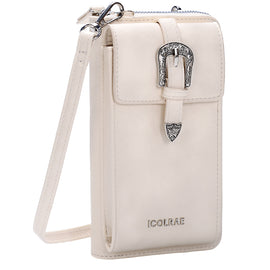
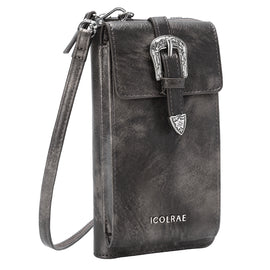
Crossbody bags can be developed in many shapes. Common styles include camera bags, saddle bags, flap bags, box bags, bucket bags, mini bags, phone bags, half-moon bags, and structured rectangular bags.
The right shape should match your brand style and customer use case. For example, a camera bag shape is practical and easy to organize. A saddle bag gives a softer, more classic feeling. A box bag looks structured and modern. A mini crossbody bag works well for trend-driven collections, while a phone crossbody bag is suitable for lightweight travel and daily essentials.
When choosing the structure, brands should consider not only the appearance but also how the customer will use the bag. Does it need to hold a phone, wallet, keys, cosmetics, passport, or small tablet? Should it have one main compartment or multiple pockets? Should it include a zipper closure, flap closure, magnetic snap, or hidden pocket?
Size and Capacity
Size is one of the most common issues in custom bag development. A bag may look perfect in a design sketch but feel too small or too bulky after sampling.
For crossbody bags, brands should consider the minimum daily essentials their customer needs to carry. Many consumers expect a crossbody bag to fit a phone, card holder, small wallet, keys, lipstick, sunglasses, or travel documents. If the bag is too small, it may lose practical value. If it is too large, it may feel heavy and less stylish.
A good manufacturer can help evaluate the size based on structure, material thickness, and target function. During the sample stage, it is always worth testing the bag with real objects instead of judging only by measurements.
Strap Design
The strap is one of the most important design features of a crossbody bag. It affects comfort, style, and perceived value.
Brands can choose adjustable straps, detachable straps, leather straps, webbing straps, chain straps, wide shoulder straps, or mixed-material straps. A thin strap may look elegant but may not be comfortable for heavier bags. A wide strap can improve comfort and create a more casual or sporty look. A chain strap can add a dressier feeling but may increase cost and weight.
For better flexibility, many brands choose detachable and adjustable straps. This allows customers to wear the bag in different ways, such as crossbody, shoulder bag, or hand-carry style.
Hardware Selection
Hardware can strongly influence the overall quality impression of a custom crossbody bag. Zippers, buckles, D-rings, magnetic snaps, chain straps, turn locks, and logo plates all need to match the bag’s positioning.
For budget-friendly bags, standard hardware may be enough. For premium collections, better plating, smoother zippers, stronger buckles, and custom logo hardware can make the product feel more refined.
When selecting hardware, brands should consider color, durability, weight, and function. Common hardware colors include gold, light gold, silver, gunmetal, black, antique brass, and rose gold. The hardware finish should coordinate with the material, logo, and overall design style.
Logo Customization
Logo placement should be planned carefully. A logo that is too large may make the bag look promotional. A logo that is too subtle may not support brand recognition. The best choice depends on your market and brand identity.
Common logo methods for custom crossbody bags include embossed logo, debossed logo, printed logo, metal logo plate, embroidery, woven label, rubber patch, custom zipper puller, and custom hang tag. For leather and PU bags, embossing and metal logos are very common. For canvas and nylon bags, embroidery, woven labels, and printed logos may work better.
Brands should also consider whether they want visible external branding or more subtle internal branding, such as custom lining, inner labels, or branded zipper pulls.
Color Planning
Color is not only a design decision. It is also a sales decision. Classic colors such as black, brown, beige, tan, cream, and navy are usually easier to sell across seasons. Trend colors can make a collection more attractive but may carry higher inventory risk.
For a first custom crossbody bag project, it is often better to start with fewer colors and test market response. Once the design proves successful, brands can expand into seasonal colors, limited editions, or exclusive colorways.

Understanding MOQ for Custom Crossbody Bags
MOQ, or minimum order quantity, is one of the first questions many buyers ask when contacting a bag manufacturer. However, MOQ is not a fixed number for every project. It depends on the design, materials, customization level, production process, and supplier requirements.
For example, a semi-custom crossbody bag based on an existing style may have a more flexible MOQ because the pattern, structure, and materials are already available. A fully custom design may require a higher MOQ because it involves new pattern making, material sourcing, hardware development, and production setup.
Material also affects MOQ. If the chosen material is in stock, the MOQ may be easier to manage. If the brand needs a custom color, special texture, exclusive lining, or custom hardware, the material supplier may require a minimum order, which affects the final MOQ for the bag.
Logo methods can also make a difference. A simple printed logo or standard label may be easier for small orders. Custom metal logo plates, molded hardware, special zipper pullers, or custom packaging may require additional minimum quantities.
For new brands, the best way to reduce MOQ risk is to start with a focused product plan. Instead of developing five styles and six colors at once, it may be smarter to begin with one or two strong styles and a small number of commercial colors. This makes sampling, production, inventory control, and marketing easier to manage.
Before asking for MOQ, buyers should prepare basic project information, including bag type, size, reference images, preferred material, color, logo method, estimated quantity, target price, packaging needs, and target market. The more specific the information, the more accurate the manufacturer’s quotation and MOQ advice will be.

Manufacturing Process for Custom Crossbody Bags
Understanding the manufacturing process helps brands plan their timeline and avoid unnecessary mistakes. A professional custom bag project usually goes through several key stages.
Design Consultation
The process usually starts with a discussion about the brand’s idea, target customer, product positioning, budget, and expected quantity. Some brands already have technical drawings, while others only have reference photos or a rough concept. A good manufacturer should be able to turn these ideas into practical production suggestions.
At this stage, the manufacturer may advise on bag size, material options, structure feasibility, logo method, and possible cost range. This early communication is important because some design ideas may look good on paper but become expensive or difficult to produce in bulk.
Material and Hardware Selection
After the design direction is clear, the next step is selecting materials and hardware. This includes the outer material, lining, zipper, buckle, D-ring, strap material, logo hardware, thread color, edge paint, and packaging details.
For custom crossbody bags, every detail should work together. A premium vegan leather may need better hardware to match its positioning. A casual nylon bag may need durable webbing and functional zippers. A structured flap bag may need stronger internal support to keep its shape.
Pattern Making and Sample Development
Pattern making is where the design becomes a real product. The pattern controls the shape, size, structure, and assembly method of the bag. Even a small adjustment in pattern can affect how the final bag looks and functions.
Once the pattern is prepared, the sample is made. The sample allows the brand to check the real material effect, size, capacity, logo placement, strap length, hardware quality, and overall appearance.
Sample Review and Adjustment
The first sample is rarely perfect. Brands may want to adjust the size, change the strap length, move the logo, improve the pocket layout, modify the flap shape, change the lining, or refine the hardware color.
This stage is important because it prevents problems before bulk production. It is much easier to correct issues during sampling than after mass production has started.
Pre-Production Sample Confirmation
Before bulk production, many manufacturers prepare a pre-production sample. This final sample confirms the approved material, color, hardware, logo, lining, packaging, and workmanship standard.
The pre-production sample acts as the reference for mass production and quality inspection. Both the brand and the manufacturer should be clear about what has been approved.
Bulk Production
Bulk production includes material cutting, stitching, edge finishing, hardware installation, lining assembly, shaping, cleaning, quality checking, and packing. The exact process depends on the bag design and material.
For structured crossbody bags, shape control is especially important. For soft bags, stitching quality and material handling may be more important. For bags with multiple compartments, pocket alignment and zipper function must be carefully checked.
Quality Control
Quality control should not happen only at the end. It should be part of the whole production process. Materials should be checked before cutting. Stitching and assembly should be monitored during production. Finished bags should be inspected before packing.
Common inspection points include material surface, stitching quality, logo position, hardware function, zipper smoothness, strap strength, edge finishing, lining cleanliness, shape consistency, color accuracy, and packaging condition.
A reliable manufacturer should have clear quality control standards and be able to communicate with the brand if any production issue appears.

Packing and Shipping
Packaging is part of the customer experience, especially for retail and e-commerce brands. Depending on the project, packaging may include tissue paper, dust bags, hang tags, barcode labels, poly bags, cartons, or custom gift boxes.
For export orders, carton strength, packing method, product protection, labeling, and shipping arrangement should be confirmed in advance. Good packaging helps reduce damage during transportation and improves the final presentation when the product reaches the buyer.

Key Cost Factors of Custom Crossbody Bags
The price of custom crossbody bags is influenced by many factors. Understanding these factors helps brands make better decisions and communicate more effectively with manufacturers.
Material is one of the biggest cost factors. Genuine leather is usually more expensive than PU leather, while premium vegan leather, recycled materials, or special textures may also increase cost. The thickness, backing, surface finish, and supplier quality all affect pricing.
Hardware is another important factor. Standard zippers and buckles are more economical, while custom metal logos, special locks, heavy chains, and premium plating increase the unit cost. Hardware also affects the perceived value of the bag, so choosing the cheapest option is not always the best strategy.
The complexity of the design also matters. A simple camera bag with one zipper compartment is easier to produce than a structured flap bag with multiple pockets, edge paint, custom hardware, and special lining. More complicated structures require more labor and more quality control.
Logo and branding methods affect cost as well. Printing, embossing, metal logos, embroidery, woven labels, and custom zipper pullers all have different setup costs and production requirements.
Order quantity is also important. Larger orders usually make it easier to optimize material purchasing, production setup, and unit cost. Smaller orders may be possible, but the unit price is often higher because fixed development and production costs are spread over fewer pieces.
Packaging can also influence the final price. Custom dust bags, printed boxes, hang tags, barcode labels, and retail packaging may improve brand presentation, but they should be included in the cost planning from the beginning.
How to Choose the Right Custom Crossbody Bag Manufacturer
Choosing the right manufacturer is just as important as choosing the right design. A professional manufacturer does not simply produce what is requested. They help brands avoid mistakes, improve product feasibility, control cost, and maintain quality during bulk production.
First, look for experience in OEM and ODM bag manufacturing. An experienced factory understands different materials, bag structures, logo methods, and production challenges. They can provide practical advice when a design needs adjustment.
Second, check whether the manufacturer can support your level of customization. Some suppliers only offer ready-made styles with logo printing. Others can provide full custom development, including material sourcing, pattern making, sample development, private label packaging, and bulk production.
Third, communication matters. A good manufacturer should be able to understand your needs, ask the right questions, provide clear quotations, update sample progress, and confirm details before production. Poor communication often leads to delays, misunderstandings, and quality issues.
Fourth, quality control should be taken seriously. Ask how the factory checks materials, production details, finished products, and packaging. For crossbody bags, details such as stitching, strap strength, zipper smoothness, hardware plating, logo position, and shape consistency all matter.
Finally, export experience can be valuable. If your brand sells in Europe, North America, South America, or other international markets, working with a manufacturer familiar with export packaging, labeling, shipping coordination, and buyer expectations can make the process smoother.
Common Mistakes Brands Should Avoid
Many problems in custom bag projects can be avoided with better planning. One common mistake is focusing only on the lowest price. While price is important, a very low quotation may come with compromises in material quality, hardware durability, workmanship, communication, or delivery reliability.
Another mistake is choosing materials without proper checking. Photos can be misleading. A material may look good in pictures but feel too stiff, too thin, too shiny, or unsuitable for the bag structure. Brands should review swatches and, when possible, test materials before confirming production.
Developing too many colors too early is also risky. A new design should first prove its market potential. Starting with a small number of commercial colors can reduce inventory pressure and simplify production.
Some brands also make the design too complicated at the beginning. Extra pockets, special hardware, unusual shapes, and multiple materials may make the product more distinctive, but they can also increase cost, sampling time, and production risk. A clean, well-executed design is often more successful than an overly complicated one.
Finally, brands should not rush sample confirmation. The sample stage is the best time to check details carefully. Once bulk production begins, changes become much harder and more expensive.
Tips for Building a Successful Custom Crossbody Bag Collection
If your brand is developing custom crossbody bags for the first time, start with a clear product strategy. Think about who the bag is for, when they will use it, what price point it should reach, and what design details make it different from similar products in the market.
It is usually better to begin with one strong core style. A practical shape, popular size, and commercial color selection can help reduce risk. Once the first style performs well, you can expand into new colors, new materials, mini versions, larger versions, or matching products.
Balance fashion and function. A crossbody bag should look good, but it also needs to be comfortable and useful. Strap length, bag weight, opening method, pocket layout, and zipper quality can all influence the customer’s daily experience.
Use signature details to build recognition. This does not always mean a large logo. A special zipper puller, custom lining, unique strap, branded hardware, or distinctive color combination can help customers remember your brand.
Most importantly, work closely with your manufacturer. The best results usually come from clear communication, realistic planning, careful sampling, and detailed production confirmation.
Start Your Custom Crossbody Bag Project with the Right Manufacturing Partner

Custom crossbody bags can be a valuable addition to a fashion brand’s product line. They are practical, stylish, flexible in design, and suitable for many customer groups. With the right material, structure, logo method, and production plan, a crossbody bag can become more than just an accessory. It can become a recognizable part of your brand identity.
For brands, the key is to think beyond appearance. Material quality, hardware selection, MOQ, sampling, workmanship, packaging, and quality control all influence the final product. Working with an experienced OEM/ODM bag manufacturer can help reduce development risk and make the production process more efficient.
If you are planning to develop custom crossbody bags for your brand, prepare your design ideas, material preferences, target quantity, and logo requirements before contacting a manufacturer. A clear brief will help the factory provide more accurate suggestions, pricing, and production solutions.
Whether you need semi-custom styles, private label crossbody bags, or fully customized designs from concept to bulk production, choosing the right manufacturing partner is the first step toward building a successful handbag collection. Brands ready to move from research to development can review HerminFashion’s OEM and ODM customization process.
FAQ
What is the best material for custom crossbody bags?
The best material depends on your brand positioning and target price. PU leather is suitable for cost-effective fashion collections, genuine leather works well for premium products, vegan leather is a good choice for animal-free brands, and nylon or polyester is ideal for lightweight and functional crossbody bags.
Can I add my logo to custom crossbody bags?
Yes. Common logo options include embossed logo, debossed logo, printed logo, metal logo plate, embroidery, woven label, rubber patch, custom zipper puller, and branded hang tag. The best method depends on the material and style of the bag.
What is the MOQ for custom crossbody bags?
MOQ depends on the design, material, color, logo method, hardware, packaging, and whether the style is semi-custom or fully custom. Existing styles with simple logo customization usually have more flexible MOQ, while fully custom designs may require higher quantities.
How long does it take to develop a custom crossbody bag sample?
Sample development time depends on the complexity of the design, material availability, logo method, and number of revisions. A simple semi-custom sample is usually faster, while a fully custom design with special materials or hardware may take longer.
Are custom crossbody bags suitable for startup brands?
Yes. Startup brands can begin with a focused product plan, such as one core style, a few commercial colors, and a practical material choice. Semi-custom development is often a good way to test the market before investing in more complex custom designs.
What should I prepare before contacting a custom crossbody bag manufacturer?
It is helpful to prepare reference images, bag size, preferred material, color options, logo file, estimated quantity, target price, packaging needs, and target market. The more details you provide, the easier it is for the manufacturer to offer accurate advice and quotation.
What is the difference between OEM and ODM crossbody bags?
OEM usually means the manufacturer produces bags based on your design, technical requirements, or brand specifications. ODM means the manufacturer can provide existing designs or help develop new styles based on market experience. Many handbag manufacturers offer both OEM and ODM services.
Can custom crossbody bags be made with eco-friendly materials?
Yes. Brands can choose recycled PU, water-based PU, recycled polyester, recycled nylon, bio-based vegan leather, cork, or other alternative materials. If sustainability is important to your brand, ask your manufacturer about available material options and supporting documentation.
