



Types of Handbags: A Complete Guide for Brands, Retailers, and Private Label Buyers
Choosing the right handbag style is never just a design decision. For fashion brands, retailers, and private label buyers, it affects almost everything behind a collection: the target customer, material selection, production cost, sample development, retail pricing, packaging, and even how the product is photographed and sold online.
A tote bag, a crossbody bag, and a clutch bag may all belong to the same handbag category, but they serve very different customers. A work tote needs structure, capacity, and durability. A mini bag needs visual appeal and trend value. A cosmetic bag needs practical storage and easy branding. For brands planning a new collection, understanding the main types of handbags can help avoid random product development and create a more focused, market-ready line.
Recent market reports continue to show steady demand for handbags and fashion accessories, although growth expectations vary depending on the source and market definition. At the same time, consumers are becoming more selective. Luxury shoppers are paying closer attention to value, resale potential, and design uniqueness. Younger buyers are also more aware of sustainability, materials, and brand values. For private label buyers, this means the best handbag collection is not necessarily the one with the most styles. It is the one with the right mix of function, trend, quality, price, and brand identity.
This guide explains the most important handbag types for brands, retailers, and private label buyers, along with their best use cases, material options, customization ideas, and development considerations.
Why Understanding Different Types of Handbags Matters for Brands
For consumers, a handbag is often about style and daily convenience. For a brand or retailer, it is also a product strategy. Each handbag type has its own structure, production difficulty, material requirements, and market positioning.
A simple canvas tote bag can be suitable for promotional collections, lifestyle brands, and low-MOQ private label projects. A structured top handle bag, on the other hand, requires better shape control, stronger hardware, more precise stitching, and a higher level of sample development. A nylon crossbody bag may work well for travel or urban lifestyle brands, while a small evening clutch is more suitable for occasionwear, boutique retail, or gift collections.
Understanding handbag types can help buyers make better decisions in five key areas.
First, it helps define the target customer. A professional woman looking for a work bag has different expectations from a Gen Z shopper looking for a trendy mini bag. Second, it helps control production cost. The more complex the structure, hardware, lining, edge paint, and compartments, the more time and labor are involved. Third, it helps choose the right material. Not every material works well for every bag type. Fourth, it helps build a balanced collection instead of developing random styles. Finally, it helps communicate more clearly with an OEM or ODM handbag manufacturer during sampling and production.
For new brands, this is especially important. A strong first collection does not need twenty handbag styles. It may only need three to five well-chosen designs that match the brand’s market, price range, and customer lifestyle.
Main Types of Handbags for Brands and Retailers

1. Tote Bags
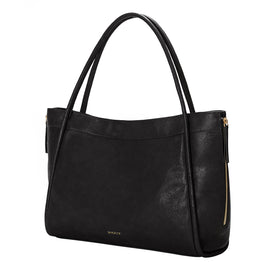
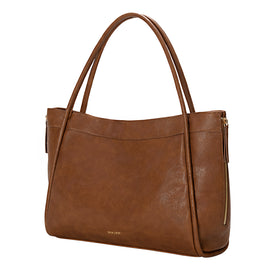
Tote bags are one of the most practical and commercially flexible handbag types. They usually have a large body, two handles, and an open-top, zip-top, or magnetic closure. Because of their capacity and simple structure, tote bags are widely used for work, shopping, travel, daily commuting, and lifestyle collections.
For brands, tote bags are a safe and useful category because they can be developed in many directions. A canvas tote can feel casual, natural, and eco-friendly. A PU leather tote can look more polished and suitable for office use. A structured vegan leather tote can work well for brands targeting modern professional women.
Common materials for tote bags include PU leather, genuine leather, vegan leather, canvas, nylon, recycled fabrics, and laminated materials. Customization options are also broad. Brands can add embossed logos, printed linings, laptop compartments, zipper closures, magnetic snaps, custom handles, metal logo plates, hangtags, or private label packaging.
From a buyer’s point of view, tote bags are useful because they offer a good balance between function and branding space. The front panel provides enough room for logo placement, texture design, or color blocking. If the target market is workwear, lifestyle, travel, or eco-conscious retail, tote bags are often worth including in the collection.
2. Shoulder Bags
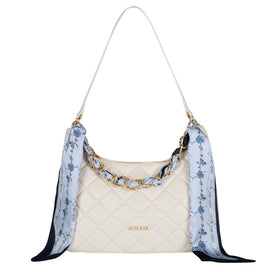
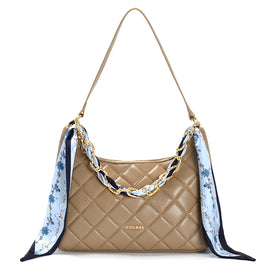
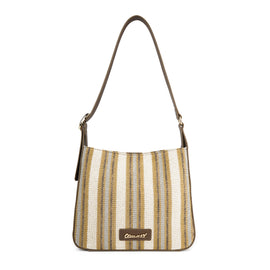
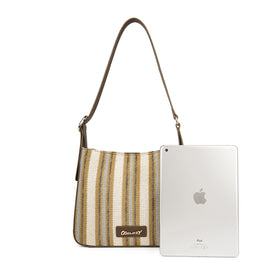
Shoulder bags are classic women’s handbags designed to be carried on one shoulder. They can be soft or structured, casual or elegant, minimal or decorative. This flexibility makes them one of the most important handbag types for fashion brands.
A shoulder bag is usually smaller than a tote but more stylish than a purely functional bag. It works well for daily use, office-to-evening styling, boutique retail, and mid-range handbag collections. For many brands, shoulder bags are the bridge between practicality and fashion.
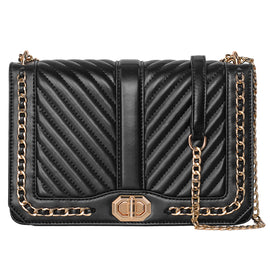
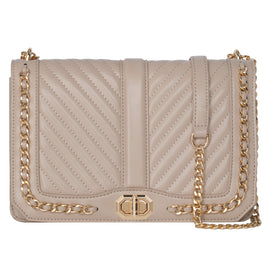
Materials commonly used for shoulder bags include PU leather, soft vegan leather, suede, quilted fabric, patent leather, woven materials, and textured synthetic leather. Popular customization details include chain straps, adjustable shoulder straps, magnetic buckles, metal logo hardware, contrast stitching, flap closures, decorative quilting, and custom lining.
When developing shoulder bags, brands should pay close attention to strap comfort, body proportion, and opening structure. A beautiful shoulder bag that is difficult to open or uncomfortable to carry may not perform well in real use. For private label buyers, this style is especially valuable because it can be adjusted easily for different price points through material, hardware, lining, and packaging choices.
3. Crossbody Bags
Crossbody bags are designed with a long strap so they can be worn across the body. They are popular because they are convenient, secure, and easy to use in daily life. For modern consumers who move between work, travel, shopping, and social activities, hands-free carrying is a strong selling point.
For brands and retailers, crossbody bags are highly versatile. They can be casual, sporty, elegant, minimalist, or trend-driven depending on material and shape. A small PU leather crossbody bag may target fashion retail. A nylon crossbody bag may be better for travel and outdoor-inspired collections. A structured crossbody with metal hardware can work for more premium brands.
Common materials include PU leather, nylon, canvas, polyester, vegan leather, recycled nylon, and water-resistant fabrics. Customization options include adjustable straps, detachable straps, front pockets, phone compartments, zipper closures, logo patches, branded pullers, contrast webbing, and multi-pocket layouts.
For e-commerce brands, crossbody bags are often easier to explain and sell because the function is clear. Product pages can highlight size, strap length, compartments, phone fit, weight, and everyday use scenarios. For OEM/ODM development, buyers should confirm the strap width, strap adjustability, zipper quality, and internal organization before bulk production.

4. Satchel Bags
Satchel bags usually have a structured body, top handles, and sometimes a detachable shoulder strap. They are often associated with work, business casual outfits, and polished everyday styling. Compared with soft shoulder bags, satchels usually require more shape control and stronger construction.
This type of handbag is suitable for brands targeting office workers, professional women, or customers who prefer a more refined look. A satchel can also be positioned as a premium daily bag if the material, hardware, and stitching are well executed.
Common materials include structured PU leather, genuine leather, microfiber leather, vegan leather, saffiano-textured material, and embossed synthetic leather. Customization options include top handles, metal locks, reinforced bottoms, detachable straps, laptop or tablet compartments, custom hardware, and branded lining.
For buyers, the main concern with satchel bags is structure. If the material is too soft, the bag may collapse. If it is too stiff, it may become heavy or uncomfortable. The best result usually comes from a balanced combination of outer material, lining, reinforcement, and proper pattern making. Satchel bags are not always the cheapest style to produce, but they can create a higher perceived value for the brand.
5. Hobo Bags
Hobo bags are known for their soft, relaxed, slouchy shape. They usually have a curved body and are carried on the shoulder. Unlike structured handbags, hobo bags communicate comfort, casual style, and a more effortless lifestyle feeling.
This handbag type is suitable for boho-inspired brands, casual fashion collections, soft leather lines, and everyday lifestyle products. It can also work well in seasonal collections where relaxed silhouettes are trending.
Materials commonly used for hobo bags include soft PU leather, genuine leather, suede, washed vegan leather, soft nylon, and fabric blends. Custom details can include wide shoulder straps, tassels, magnetic closures, inner zipper pockets, decorative stitching, braided straps, and custom lining.
For private label buyers, the biggest development point is the softness of the material. A hobo bag should drape naturally, but it still needs enough strength to hold daily items. If the material is too thin, the product may look cheap. If it is too heavy, it may lose the relaxed feel. This style is best for brands that want a casual, approachable, and lifestyle-driven handbag.
6. Bucket Bags
Bucket bags have a rounded or cylindrical body and often use a drawstring, magnetic closure, or inner pouch. They are easy to recognize and offer a good mix of fashion and function. Their shape gives brands more personality than a basic tote or shoulder bag.
Bucket bags are suitable for young fashion brands, seasonal collections, boutique retailers, and brands that want a distinctive yet practical handbag style. Depending on the material, a bucket bag can look casual, premium, playful, or minimalist.
Common materials include PU leather, vegan leather, canvas, suede, woven materials, and textured synthetic leather. Customization options include drawstring closures, metal eyelets, adjustable straps, detachable inner pouches, contrast panels, logo charms, custom hardware, and color-block designs.
From a production perspective, bucket bags require attention to shape, bottom structure, and closure function. The opening should be convenient while still keeping the customer’s items secure. For brands that want a fashionable style without creating an overly complex product, bucket bags can be a strong option.
7. Clutch Bags
Clutch bags are small handbags designed to be carried by hand. They are most often used for evening events, weddings, parties, formal occasions, and special styling moments. Unlike everyday handbags, clutch bags are usually less about capacity and more about appearance.
For brands, clutch bags can add variety and perceived value to a collection. They are especially suitable for occasionwear brands, wedding accessory lines, boutique retailers, gift collections, and evening fashion categories.
Common materials include satin, velvet, PU leather, metallic fabric, faux suede, beaded fabric, acrylic, and embellished materials. Customization options include metal frames, chain straps, rhinestone details, magnetic closures, custom lining, logo plates, decorative buckles, and branded dust bags.
When developing clutch bags, buyers should consider the target occasion. A simple PU clutch may suit affordable retail, while a beaded or metallic clutch may be better for eveningwear. Since the size is small, details matter more. Hardware finish, closure quality, and lining can strongly affect the final impression.
8. Top Handle Bags
Top handle bags are structured handbags carried by one or two handles at the top. They often look more polished and premium than casual handbag types. Many top handle designs also include a detachable shoulder strap for more flexible use.
This style is suitable for premium handbag collections, elegant fashion brands, office styling, boutique retail, and brands targeting customers who prefer a refined look. Top handle bags can create strong visual identity because their shape is often more architectural.
Common materials include structured PU leather, genuine leather, saffiano texture, crocodile-embossed leather, vegan leather, and microfiber leather. Customization options include metal locks, reinforced handles, detachable straps, contrast edge paint, branded hardware, custom lining, and premium packaging.
For buyers, top handle bags require careful sample development. The handle must feel secure, the body must keep its shape, and the hardware should match the intended price positioning. This type of bag is not usually the easiest or lowest-cost option, but it can help a brand build a more sophisticated image.

9. Mini Bags
Mini bags are small handbags designed mainly for light carrying needs and fashion styling. They became popular because they photograph well, feel trendy, and fit social media-driven fashion culture. They are not always practical for every customer, but they can create strong visual appeal.
Mini bags are suitable for young fashion brands, trend-led collections, boutique retailers, and seasonal product drops. They can also work as statement pieces in a larger handbag line.
Common materials include PU leather, patent leather, vegan leather, metallic materials, quilted fabric, satin, and textured synthetic leather. Customization options include bright colors, chain straps, mini flap designs, logo hardware, novelty shapes, decorative charms, and custom packaging.
From a buyer’s perspective, mini bags should not be judged only by capacity. Their value often comes from design, color, proportion, and styling. However, it is still important to test whether the bag can hold basic items such as a phone, cardholder, keys, or lipstick. A mini bag that is visually attractive but completely impractical may have a narrower market.
10. Baguette Bags
Baguette bags are narrow, compact shoulder bags with a horizontal shape and a short strap. They are strongly associated with retro fashion and trend-driven styling. In recent years, baguette-style silhouettes have returned because many consumers are interested in nostalgic and easy-to-style accessories.
This handbag type is suitable for fashion-forward brands, young women’s handbag collections, boutique retailers, and seasonal trend lines. It works especially well in colors, textures, and prints that make the shape more eye-catching.
Common materials include PU leather, nylon, denim, patent leather, vegan leather, printed fabric, and embossed synthetic leather. Custom details include short shoulder straps, custom buckles, embroidered logos, croc textures, patterned fabrics, color-blocking, and branded zipper pullers.
For private label buyers, baguette bags are useful because they are recognizable but not necessarily too complex to produce. The key is proportion. If the body is too long, too flat, or too stiff, the bag may lose its appeal. A good baguette bag should feel compact, stylish, and easy to carry.
11. Saddle Bags
Saddle bags usually feature a curved flap shape inspired by equestrian bags. They have a strong style identity and are often used in vintage, western-inspired, or casual fashion collections. Many saddle bags are worn as crossbody bags, which adds practical value.
This style is suitable for brands with a clear aesthetic direction. It may not be as universal as a tote or shoulder bag, but it can become a signature product when designed well.
Common materials include PU leather, genuine leather, suede, vegan leather, and textured synthetic leather. Customization options include curved flaps, decorative buckles, antique hardware, contrast stitching, adjustable straps, embossed logos, and magnetic closures.
For buyers, the main question is whether the style matches the brand. Saddle bags carry a strong visual message. They are best for brands that want a more distinctive, vintage, western, or casual identity rather than a purely minimal handbag line.

12. Backpack Purses
Backpack purses combine the convenience of a backpack with the smaller scale and styling of a handbag. They are practical for travel, students, city commuting, and casual daily use. Compared with traditional backpacks, backpack purses usually look more fashion-oriented.
This type of handbag is suitable for urban lifestyle brands, travel collections, student markets, casual retail, and functional fashion brands. It can be made sporty, elegant, or minimal depending on the material and hardware.
Common materials include nylon, PU leather, canvas, polyester, recycled fabric, and water-resistant materials. Customization options include anti-theft pockets, adjustable straps, front zipper pockets, lightweight lining, logo patches, water-resistant coating, and organized compartments.
For buyers, comfort and function are more important here than decoration. The straps should be comfortable, the zipper should open smoothly, and the weight should be controlled. Backpack purses are a good choice for brands that want to combine practicality with a more feminine or compact handbag look.
13. Wristlet Bags
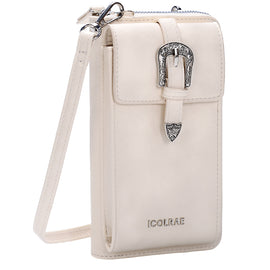
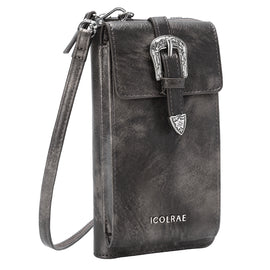
Wristlet bags are small bags with a short strap designed to be worn around the wrist. They are often used for cards, phones, small cosmetics, keys, and travel essentials. They can be sold alone or as part of a gift set.
This handbag type is suitable for small leather goods collections, gift programs, travel accessories, promotional products, and private label add-ons. For brands, wristlets can help complete a collection and increase average order value.
Common materials include PU leather, vegan leather, nylon, printed fabric, saffiano texture, and canvas. Customization options include wrist straps, card slots, zipper closures, logo embossing, printed linings, matching colors, and custom packaging.
For buyers, wristlets are usually easier to develop than structured handbags. They are flexible in size, color, and branding. They can also be matched with tote bags, cosmetic bags, or travel bags as part of a coordinated product line.
14. Cosmetic Bags and Makeup Bags
Cosmetic bags are designed for makeup, skincare, toiletries, travel items, and personal accessories. Although they are not always considered traditional handbags, they are highly important for private label buyers because they are practical, customizable, and suitable for many industries.
Beauty brands, skincare brands, hotels, airlines, gift companies, and fashion retailers can all use cosmetic bags as branded products. They are also excellent for promotional sets, travel collections, and retail accessories.
Common materials include PU leather, PVC, nylon, polyester, transparent TPU, quilted fabric, canvas, and waterproof lining materials. Customization options include custom printing, logo patches, zipper pullers, transparent windows, waterproof lining, multi-size sets, private label tags, and retail-ready packaging.
For buyers, cosmetic bags are attractive because they can often be developed with flexible MOQ and clear branding. The structure can be simple or more detailed depending on the budget. If the target customer is a beauty or lifestyle brand, cosmetic bags can be one of the most practical custom product categories.
Types of Handbags by Usage Occasion

A handbag collection should not only be organized by shape. It should also be planned around real-life usage occasions. This helps brands communicate more clearly with consumers and create stronger product pages.
For everyday use, shoulder bags, crossbody bags, hobo bags, and medium tote bags are often practical choices. These bags should focus on comfort, durability, easy opening, and enough space for daily essentials.
For work, tote bags, satchel bags, laptop bags, and structured top handle bags are more suitable. Buyers should pay attention to laptop compartments, reinforced handles, lining strength, and professional appearance.
For travel, crossbody bags, backpack purses, nylon totes, and weekender-style bags are stronger options. Important details include zipper security, lightweight materials, multiple pockets, water resistance, and adjustable straps.
For evening events, clutch bags, wristlets, mini bags, and chain bags are more appropriate. These products usually emphasize material texture, decoration, hardware, and styling impact rather than large capacity.
For trend-driven fashion collections, mini bags, baguette bags, bucket bags, and saddle bags can help create a more seasonal and visually interesting line. These styles work well with bold colors, special textures, and social media photography.
Types of Handbags by Material
Material selection plays a major role in the final look, cost, and market positioning of a handbag. The same bag shape can feel completely different when made in canvas, PU leather, nylon, or genuine leather.
PU leather handbags are common in private label production because the material is flexible, cost-effective, and suitable for many styles. It can be used for tote bags, shoulder bags, crossbody bags, satchels, mini bags, and cosmetic bags. For brands that need a balance of appearance, price, and production stability, PU leather is often a practical choice.
Vegan leather handbags are suitable for brands that want to communicate animal-free materials, modern design, or sustainability-driven positioning. Depending on the material quality, vegan leather can be used for both affordable and mid-range products. Buyers should check hand feel, durability, peeling resistance, and color performance before production.
Canvas handbags are casual, lightweight, and suitable for lifestyle collections, eco-inspired brands, promotional products, and large-capacity totes. Canvas is also good for printing, embroidery, and large logo placement. However, it may need coating or lining if the product requires more structure or water resistance.
Nylon handbags are practical for travel, outdoor-inspired products, crossbody bags, backpack purses, and lightweight daily bags. Nylon is often chosen for its durability, lower weight, and functional appearance. Recycled nylon can also support a more sustainable brand story.
Genuine leather handbags are usually positioned at a higher price level. They offer natural texture and long-term value, but they also require stronger quality control and higher material costs. Genuine leather is often used for premium satchels, top handle bags, shoulder bags, and structured handbags.
Recycled materials are becoming more important as consumers and retailers pay closer attention to environmental impact. Recycled polyester, recycled nylon, recycled PU alternatives, and other eco-conscious materials can help brands create a more responsible product line. However, buyers should request clear material specifications and test reports when sustainability claims are used in marketing.
How to Choose the Right Handbag Types for Your Brand
The best handbag type depends on your customer, price range, sales channel, and brand positioning. A style that works well for one brand may not be right for another.
If your target customer is a professional woman, start with work-friendly styles such as tote bags, satchels, top handle bags, and structured shoulder bags. These products should focus on shape, capacity, quality hardware, and a polished look.
If your target customer is young and trend-focused, consider mini bags, baguette bags, shoulder bags, bucket bags, and colorful crossbody bags. These styles should focus on proportion, color, texture, and strong visual appeal.
If your brand focuses on travel or urban lifestyle, crossbody bags, backpack purses, nylon bags, and functional totes may be more suitable. In this case, weight, pockets, security, and strap comfort are more important than decoration.
If you are building a private label collection for retail, it is often better to start with a balanced mix rather than too many experimental styles. A practical starting point may include one tote bag, one crossbody bag, one shoulder bag, and one small accessory such as a cosmetic bag or wristlet. This creates a collection that covers daily use, fashion styling, and add-on sales.
Price positioning also matters. Entry-level products should usually avoid overly complex structures and expensive hardware. Mid-range products can upgrade the material, lining, zipper, and packaging. Premium products need better shape control, refined stitching, custom hardware, and stronger presentation.
MOQ and production complexity should also be considered. Simple tote bags, cosmetic bags, and wristlets are often easier for trial orders. Structured satchels, top handle bags, and complex multi-pocket designs may require longer sample development and stricter production control.
Custom Handbag Manufacturing Options for Private Label Buyers
For brands and retailers, understanding handbag types is only the first step. The next step is turning the chosen style into a product that fits your market.
OEM handbag production is suitable for buyers who already have a design, reference sample, tech pack, or clear product specifications. In this model, the manufacturer produces according to the buyer’s requirements. It is a good option for mature brands or retailers with existing product development teams.
ODM handbag development is suitable for buyers who have a general idea but need support with design, structure, material selection, or sample development. An ODM handbag manufacturer can help recommend suitable handbag types based on the target market, price range, and brand style.
Common customization options include logo embossing, metal logo plates, printed logos, woven labels, rubber patches, custom zipper pullers, branded lining, custom hardware, Pantone color matching, private label hangtags, dust bags, barcode stickers, and retail packaging.
Material customization is also important. Buyers can choose PU leather, vegan leather, canvas, nylon, recycled fabrics, genuine leather, lining fabrics, and special textures depending on the product positioning. For many brands, the right material can make a familiar handbag shape feel more unique and brand-specific.
Packaging should not be treated as an afterthought. A well-designed dust bag, hangtag, care label, or carton sticker can improve the customer’s impression and make the product feel more retail-ready. This is especially important for private label brands selling through boutiques, e-commerce, or wholesale channels.

Common Mistakes When Choosing Handbag Types
One common mistake is developing too many styles at once. A new brand may feel that a large collection looks more professional, but too many styles can increase sampling costs, inventory risk, and production complexity. A smaller collection with clear positioning is often more effective.
Another mistake is choosing styles based only on appearance. A handbag must look good, but it also needs to function well. Buyers should test how the bag opens, how it feels when carried, whether the strap is comfortable, whether the size matches daily needs, and whether the structure can support real use.
Some brands also ignore the target market. A highly decorative evening bag may not work for a workwear brand. A soft hobo bag may not fit a premium structured collection. A nylon crossbody may be great for travel but less suitable for a formal boutique line. The handbag type should always match the customer’s lifestyle.
Production details are another area that many buyers underestimate. Hardware finish, zipper smoothness, edge paint, stitching, lining, reinforcement, logo placement, and packaging all affect the final product quality. These details may not be obvious in early design discussions, but they become very important during sampling and bulk production.
Finally, some brands fail to build a clear product line. Instead of developing random individual bags, it is better to create a collection where each style has a role. For example, a tote bag can be the practical work style, a crossbody bag can be the daily bestseller, a shoulder bag can be the fashion piece, and a cosmetic bag can be the add-on product.
FAQ About Types of Handbags
What are the most popular types of handbags?
Popular handbag types include tote bags, shoulder bags, crossbody bags, satchel bags, bucket bags, hobo bags, clutch bags, mini bags, top handle bags, baguette bags, saddle bags, wristlets, backpack purses, and cosmetic bags. The best choice depends on the target customer and usage occasion.
What type of handbag is best for everyday use?
Crossbody bags, shoulder bags, tote bags, and hobo bags are commonly used for everyday occasions because they are practical, comfortable, and easy to style. For everyday handbags, brands should pay attention to weight, strap comfort, capacity, zipper quality, and durability.
What handbag types are best for private label brands?
For private label brands, tote bags, crossbody bags, shoulder bags, cosmetic bags, and satchel bags are good starting points. These handbag types have broad market demand and offer many customization options for materials, colors, logos, hardware, and packaging.
Which handbag types are easier to customize?
Tote bags, cosmetic bags, wristlets, and simple crossbody bags are usually easier to customize because their structures are relatively flexible. Buyers can adjust size, material, logo placement, lining, zipper, strap, and packaging without making the production process too complicated.
How do I choose handbag types for a new collection?
Start with your target customer, price range, usage scenario, sales channel, and brand identity. A balanced collection usually includes practical daily bags, one or two fashion-focused styles, and smaller accessory products such as cosmetic bags or wristlets.
Can a handbag manufacturer help with design development?
Yes. An OEM/ODM handbag manufacturer can help brands develop new handbag styles, select materials, create samples, customize logos, adjust structures, and prepare products for retail or wholesale orders. This is especially useful for private label buyers who have a product direction but need support with production details.

Conclusion
Understanding the different types of handbags is essential for brands, retailers, and private label buyers who want to build a successful collection. Each handbag type has its own customer, function, material requirements, production details, and market position.
A tote bag may help a brand enter the workwear or lifestyle market. A crossbody bag may become an everyday bestseller. A shoulder bag can add fashion value. A satchel or top handle bag can support a more premium image. A cosmetic bag or wristlet can complete the collection and increase add-on sales.
The key is not to develop every handbag type at once. The key is to choose the right styles for your market, your customer, and your brand story. With the support of a professional OEM/ODM handbag manufacturer, brands can turn these handbag types into customized, market-ready products with the right materials, structure, logo details, and packaging.
