


En la fabricación de bolsos personalizados, el muestreo no es un paso opcional, es un proceso crítico de control de calidad y riesgo. Para las marcas que realizan pedidos al por mayor, omitir el muestreo puede parecer un atajo, pero a menudo conduce a errores costosos, retrasos y expectativas insatisfechas.
Desde la perspectiva de una fábrica, el muestreo cierra la brecha entre la intención del diseño y la realidad de la producción en masa. A continuación, explicamos por qué el muestreo es esencial y cómo protege tanto a las marcas como a los fabricantes durante el proceso de producción de bolsos personalizados.
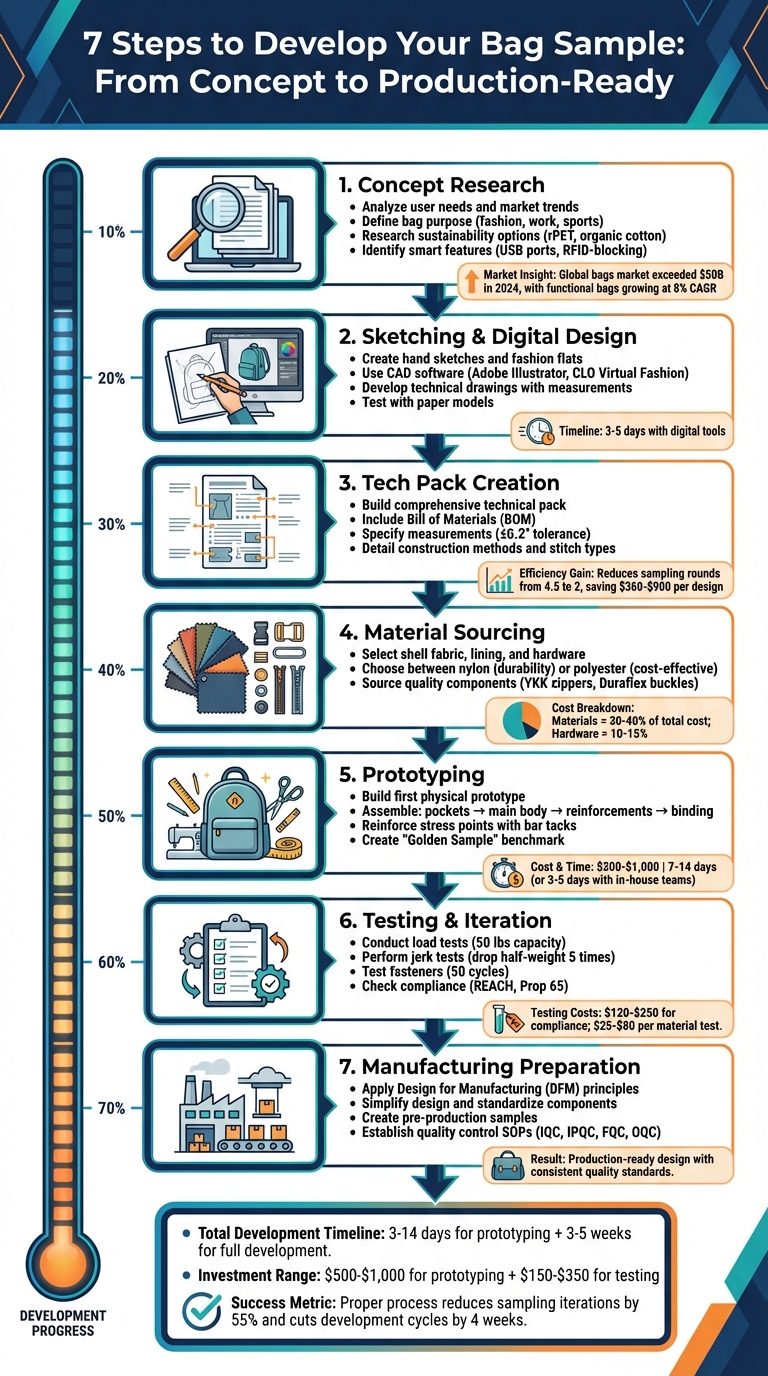
1. Plazo de muestreo: Establecer las expectativas correctas desde el principio
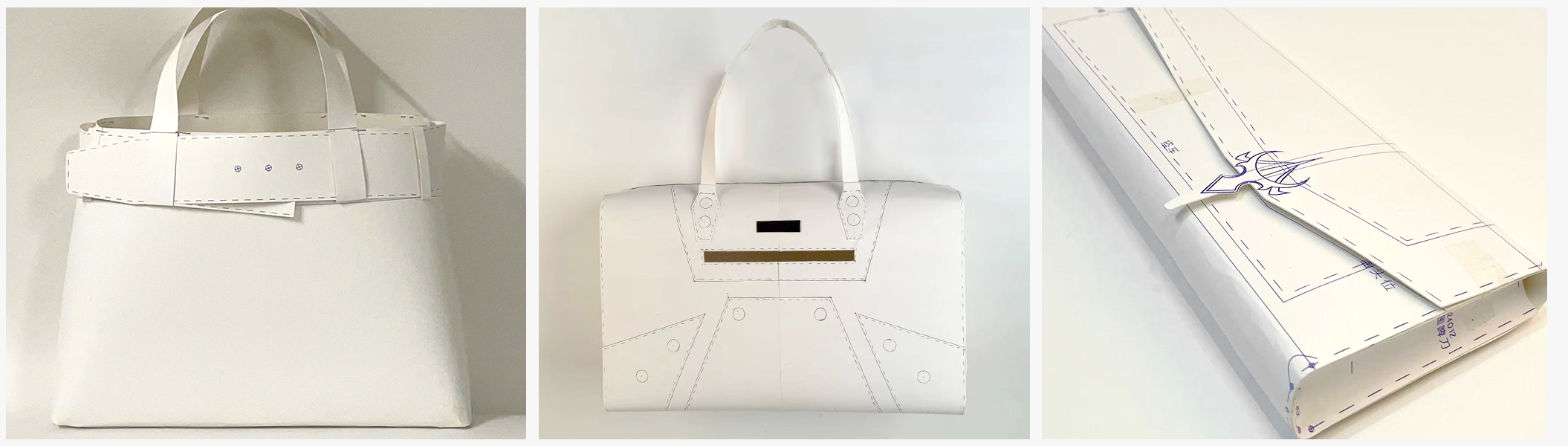
El muestreo establece un cronograma de producción claro antes de que comience la fabricación en masa.
Un programa de muestreo típico incluye:
-
Sourcing y confirmación de materiales
-
Construcción de prototipos
-
Ajustes funcionales y visuales
-
Aprobación final de la muestra
Esta fase permite a ambas partes confirmar lo que se puede producir de forma realista en un plazo determinado. Sin el muestreo, las marcas a menudo subestiman los plazos de entrega, mientras que las fábricas se enfrentan a la presión de cumplir plazos poco realistas.
Beneficio clave: El muestreo alinea las expectativas de entrega y reduce los cuellos de botella de producción de última hora.
2. Cálculo de costos de muestreo: Una pequeña inversión que previene grandes pérdidas
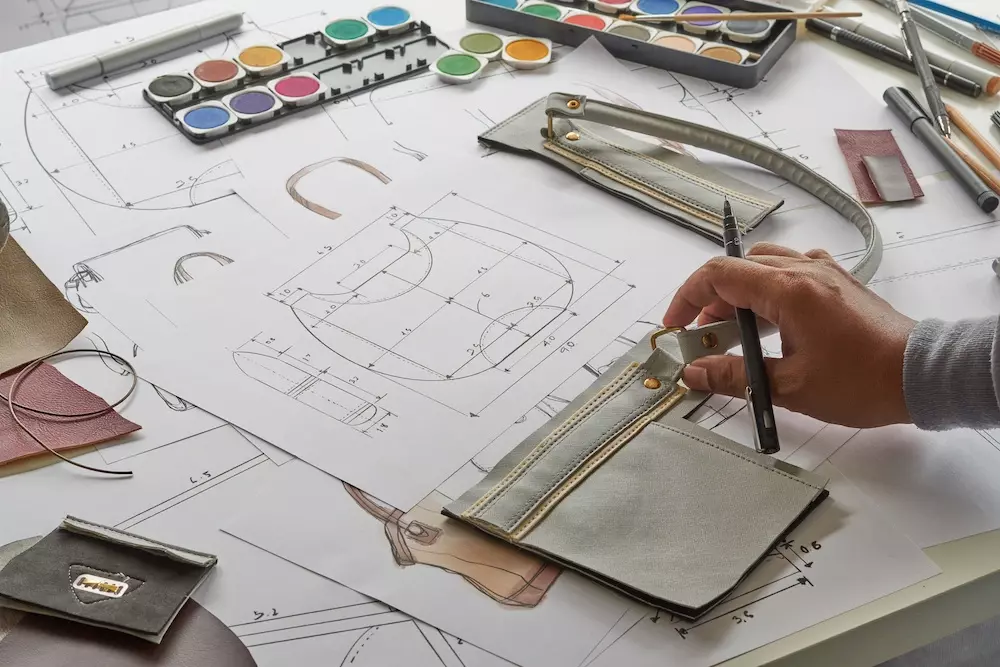
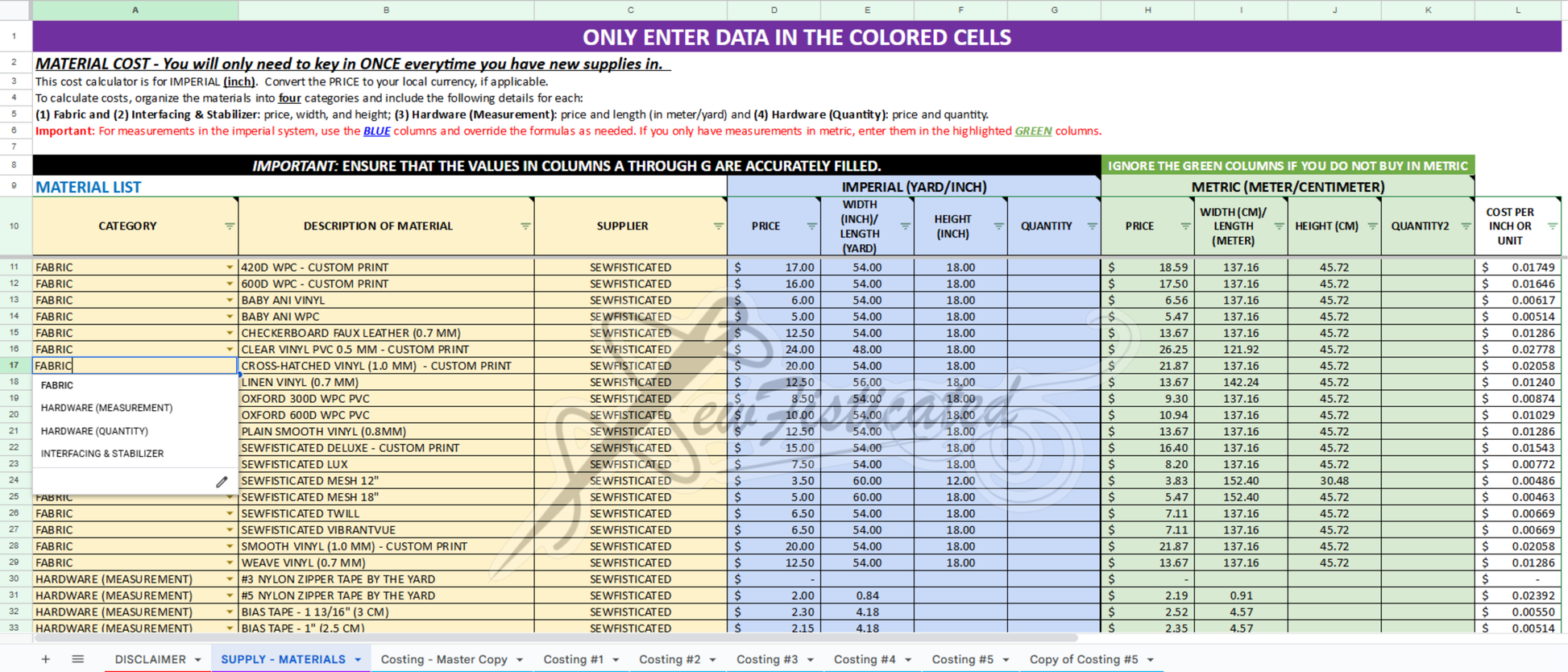
El muestreo implica costos iniciales como:
-
Materiales (cuero, PU, herrajes, forro)
-
Mano de obra y artesanía
-
Patronaje y herramientas
Si bien el muestreo requiere un presupuesto inicial, proporciona una transparencia temprana de los costos. Permite a las marcas evaluar:
-
Si el diseño se ajusta al rango de precios objetivo
-
Qué materiales aumentan los costos
-
Dónde las simplificaciones estructurales pueden ahorrar dinero
En comparación con la corrección de errores después de que comienza la producción a granel, los costos de muestreo son mínimos.
Beneficio clave: El muestreo ayuda a las marcas a tomar decisiones más inteligentes sobre precios y márgenes antes de comprometerse con la producción en masa.
3. Viabilidad de la producción: Convertir conceptos de diseño en productos fabricables

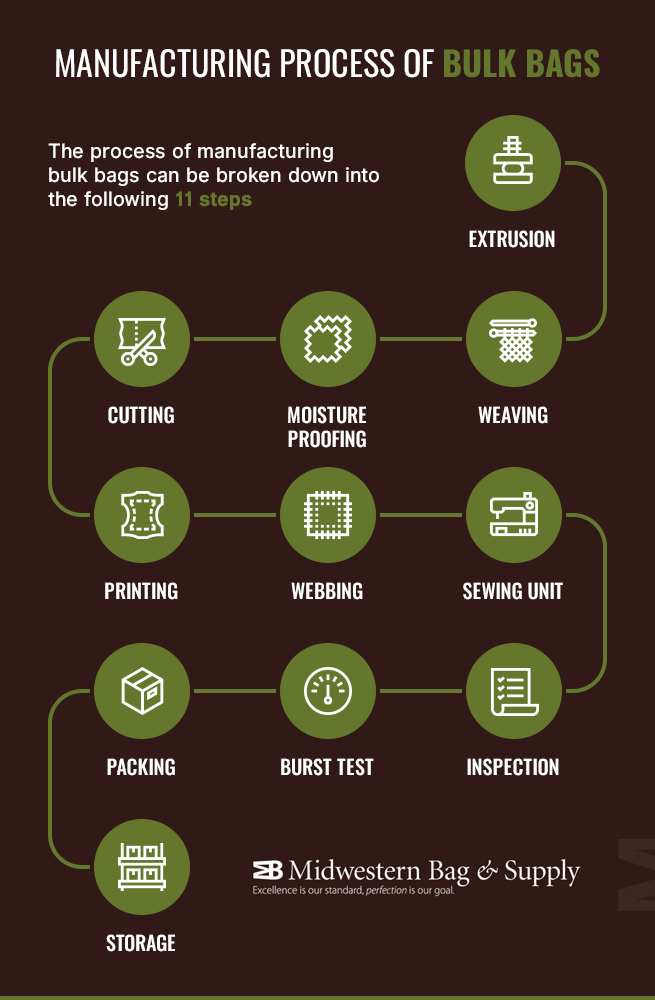
No todos los diseños que se ven bien en papel pueden ser producidos en masa de manera eficiente.
El muestreo prueba:
-
Complejidad de la costura
-
Estabilidad estructural
-
Viabilidad de instalación de herrajes
-
Eficiencia de montaje
Desde el punto de vista de la fábrica, este paso identifica posibles problemas que podrían ralentizar la producción o comprometer la calidad a escala.
Beneficio clave: El muestreo asegura que el diseño del bolso sea técnica y operativamente factible para la fabricación a granel.
4. Proceso de aprobación: Eliminar las brechas de expectativas antes de la producción en masa
El muestreo crea un punto de referencia físico que elimina los malentendidos.
A través del proceso de aprobación, las marcas pueden verificar:
-
Tamaño y proporciones
-
Precisión del color y textura
-
Detalles funcionales (cremalleras, bolsillos, correas)
-
Artesanía general
Una vez que se aprueba una muestra, se convierte en el punto de referencia para la producción en masa, reduciendo disputas y solicitudes de revisión posteriores.
Beneficio clave: Las muestras aprobadas alinean las expectativas y sirven como estándar de producción final.
5. Análisis de costo-beneficio: Muestreo vs. No muestreo
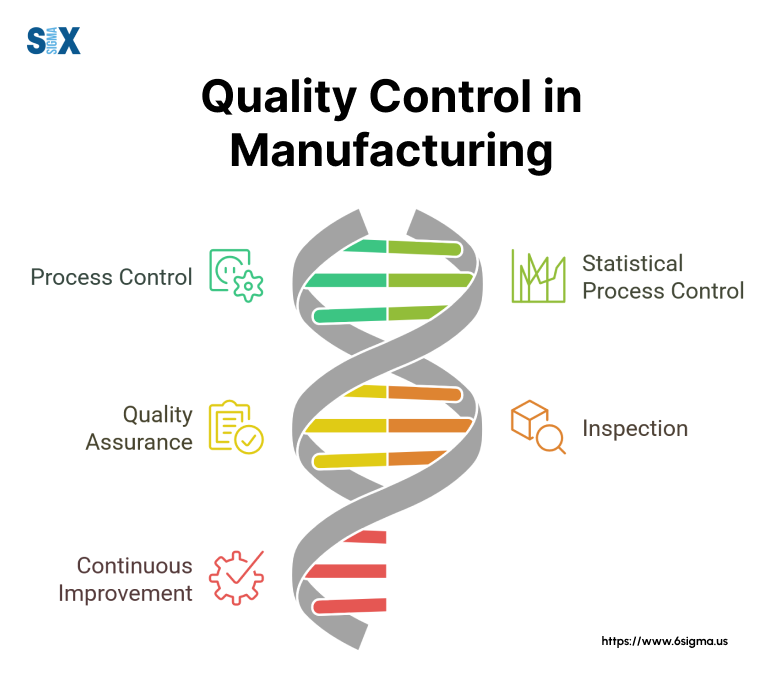
Omitir el muestreo puede parecer que ahorra tiempo y dinero, pero a menudo resulta en:
-
Inconsistencias del producto
-
Altas tasas de defectos
-
Retrabajo o lotes rechazados
-
Entregas retrasadas
El muestreo, por otro lado:
-
Identifica riesgos tempranamente
-
Reduce las tasas de error durante la producción en masa
-
Protege la reputación de la marca
-
Mejora la eficiencia a largo plazo del proveedor
Desde una perspectiva de eficiencia de costos, el muestreo reduce significativamente el riesgo total de producción.
Beneficio clave: El muestreo ofrece ahorros a largo plazo y una calidad estable para pedidos al por mayor.
Consideraciones finales: Por qué los fabricantes confiables enfatizan el muestreo
Desde la perspectiva de la fábrica de HerminFashion, el muestreo no se trata solo de aprobación, se trata de responsabilidad y asociación.
Al invertir en un proceso de muestreo estructurado, las marcas obtienen:
-
Mejor control de costos
-
Plazos de producción más claros
-
Mayor consistencia del producto
-
Mayor colaboración con los proveedores
Para los pedidos de bolsos personalizados, el muestreo es la base de una producción en masa exitosa, no un paso adicional, sino uno necesario.