



Dog Bag Pet Carrier Guide: How to Choose the Right Style, Material, and Size
A dog bag pet carrier is no longer just a simple travel accessory for pets. For modern pet owners, it needs to be comfortable, safe, easy to carry, and stylish enough to match daily outfits. For pet accessory brands, fashion brands, wholesalers, and retailers, it is also a product category with strong potential because it combines practicality with lifestyle appeal.
Unlike traditional hard pet carriers, a dog bag pet carrier is designed to be softer, more portable, and more fashion-oriented. It is especially suitable for small dogs, short-distance travel, city walks, shopping, commuting, and daily outdoor use. The right product should not only make pets feel secure, but also help owners carry them with confidence and convenience.
For brands planning to develop or source pet carrier bags, choosing the right style, material, size, and structure is essential. These details directly affect product quality, user experience, pricing, and market competitiveness.
This guide explains how to choose a dog bag pet carrier from a practical and manufacturing perspective, with a focus on style, material, size, comfort, and customization options.
What Is a Dog Bag Pet Carrier?
A dog bag pet carrier is a soft-sided carrier bag designed for carrying small dogs and other small pets. Compared with traditional plastic carriers or cage-style pet boxes, it usually has a more fashionable appearance and a more flexible carrying method.
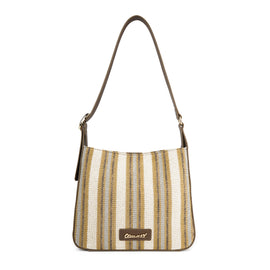
Many dog carrier bags are designed to look similar to handbags, shoulder bags, or tote bags. This makes them more suitable for daily use, especially for pet owners who prefer a carrier that fits naturally into their lifestyle.
A good pet carrier bag for dogs usually includes several key features:
-
A stable structure to support the pet’s body
-
A comfortable interior space
-
Ventilation openings or breathable panels
-
Secure closures to prevent pets from jumping out
-
Durable handles or shoulder straps
-
Easy-to-clean lining or removable bottom pads
-
A stylish exterior suitable for daily matching
For brands, this type of product offers more than basic function. It can become part of a complete pet lifestyle collection, especially when combined with fashion materials, branded hardware, custom colors, logo details, and retail packaging.
Why Choosing the Right Dog Bag Pet Carrier Matters
When developing or purchasing a dog bag pet carrier, it is not enough to focus only on appearance. A product may look attractive in pictures, but if it is uncomfortable for pets or inconvenient for owners, it will be difficult to achieve repeat sales and positive customer feedback.
Comfort for Pets
Comfort is one of the most important factors. A pet carrier bag should provide enough internal space for a small dog to sit or lie in a natural position. The bottom should be firm enough to support the pet’s weight, while the interior material should feel comfortable and safe.
Ventilation is also important. Small dogs can become anxious or uncomfortable in a closed space. Breathable panels, side openings, or carefully placed ventilation holes can improve air circulation without affecting the overall appearance of the bag.
For brands, comfort details are not only functional requirements. They also influence product reviews, customer satisfaction, and long-term brand reputation.
Convenience for Owners
The owner’s experience is equally important. A dog carrier bag should be easy to lift, carry, open, clean, and store. Handles and shoulder straps should be comfortable, especially when the bag is used for travel, shopping, or daily commuting.
Weight is another factor. If the bag itself is too heavy, it becomes difficult to carry after the pet is placed inside. This is why material selection, hardware weight, strap design, and internal support structure need to be balanced carefully.
Product Value for Brands
For brands and wholesale buyers, a well-designed dog bag pet carrier can support higher perceived value. Materials such as PU, canvas, polyester, and eco-friendly fabrics can create different market positioning. Hardware, quilting, stitching, logo placement, and packaging can further strengthen the product’s brand identity.
This is where custom development becomes important. A standard pet carrier bag may meet basic needs, but a custom dog bag pet carrier can better match a brand’s target customers, price range, and visual style.
Popular Styles of Dog Bag Pet Carrier

Different markets and customers prefer different styles. Before sourcing or developing a pet carrier bag series, brands should first define the usage scenario and customer profile.
Handheld Dog Carrier Bag
A handheld dog carrier bag is one of the most classic styles. It is suitable for short-distance use, daily outings, and customers who prefer a handbag-like appearance.
This style is especially suitable for fashion-oriented pet carrier collections. With the right material and structure, it can look similar to a women’s handbag while still providing the space and support needed for small pets.
For brands that already sell handbags, tote bags, or fashion accessories, a handheld pet carrier can be a natural extension of the existing product line.
Shoulder Dog Carrier Bag
A shoulder dog carrier bag is designed for more convenient carrying. It allows the user to carry the pet with less pressure on the hands, making it suitable for shopping, walking, light travel, and daily movement.
When developing this style, the shoulder strap is very important. The strap should be strong enough to support the pet’s weight, and the connection points should be reinforced. Adjustable or detachable shoulder straps can also improve usability.
Crossbody Pet Carrier Bag
Crossbody pet carrier bags are popular for customers who prefer hands-free convenience. This style offers better stability during movement and is often suitable for younger consumers or city pet owners.
For this style, balance is important. The bag should not swing too much when carried, and the strap angle should help distribute weight comfortably. A well-designed crossbody pet carrier bag can combine practicality with a modern casual look.
Fashion-Style Dog Bag Pet Carrier
Fashion-style pet carriers are becoming more popular because many pet owners want a product that does not look like a traditional pet cage. They want a carrier that works as both a pet product and a fashion accessory.
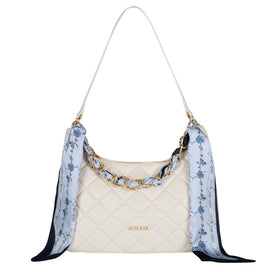
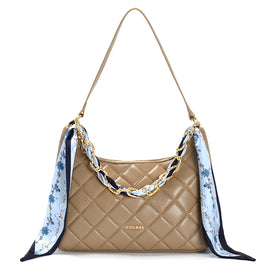
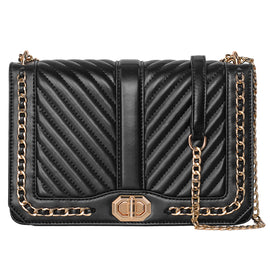
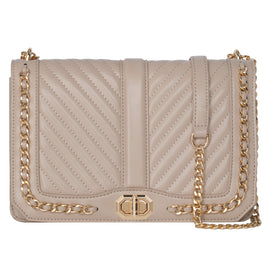
PU materials, quilted textures, metal hardware, structured shapes, soft colors, and branded logo plates can all help improve the overall appearance. This type of design is especially suitable for brands targeting female consumers, boutique pet stores, lifestyle retailers, and online fashion channels.
How to Choose the Right Material for a Dog Bag Pet Carrier

Material selection affects the appearance, durability, price, cleaning method, and target market of a dog bag pet carrier. For brands, choosing the right material is one of the most important steps in product development.
PU Dog Bag Pet Carrier
PU is one of the most popular materials for fashion-style pet carrier bags. It has a leather-like appearance, can be made in different textures and colors, and is relatively easy to clean. For daily-use pet bags, this is a practical advantage.
A PU dog bag pet carrier is suitable for brands that want a more refined and stylish look. It can be developed into structured handbag styles, quilted designs, flap bags, tote-style pet carriers, or shoulder carrier bags.
PU also offers strong flexibility in customization. Brands can choose different surface finishes, colors, grains, embossing effects, stitching details, and hardware combinations. This makes it suitable for pet accessory brands as well as fashion bag brands looking to expand into pet products.
Canvas Dog Carrier Bag
Canvas gives a more casual, natural, and lifestyle-oriented appearance. It is often suitable for outdoor-inspired collections, casual pet accessories, and brands that prefer a softer visual style.
Canvas dog carrier bags can work well for daily walking, short trips, or relaxed lifestyle markets. They can also be combined with PU trims, webbing straps, or metal hardware to create a more balanced design.
For brands focusing on a natural or minimalist product line, canvas can be a practical material choice.
Polyester Pet Carrier Bag
Polyester is commonly used for lightweight and cost-effective pet carrier bags. It is suitable for large-volume orders, travel-oriented products, or price-sensitive markets.
A polyester pet carrier bag can be designed with mesh panels, zipper openings, multiple pockets, and foldable structures. It is usually easier to make into lightweight and functional styles.
For brands that need practical products with controlled cost, polyester can be a good option.
Eco-Friendly Fabric Options
Sustainable materials are becoming increasingly important in the pet product and fashion accessory markets. Many brands are paying more attention to eco-friendly fabrics, recycled materials, and responsible production options.
Eco-friendly fabric pet carrier bags can help brands build a more sustainable product image. Depending on the design and target price, these materials can be used for casual styles, lifestyle collections, or special eco-conscious product lines.
For buyers, it is important to confirm material availability, MOQ, color options, testing requirements, and cost differences before starting development.
How to Choose the Right Size for a Dog Bag Pet Carrier

Size is one of the most important factors in pet carrier bag development. A carrier that is too small may make the pet uncomfortable, while a bag that is too large may reduce stability and make carrying more difficult.
Match the Carrier Size to the Dog’s Body
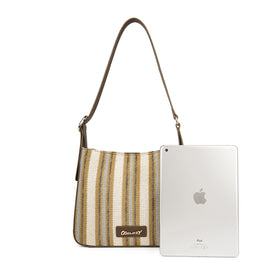
A good dog bag pet carrier should allow the pet to stay in a natural and relaxed position. The internal length, width, and height all need to be considered. Buyers should pay attention not only to the external dimensions but also to the usable internal space.
For small dogs, the bag should provide enough room for the pet to sit, turn slightly, or lie down comfortably. However, the structure should still be compact enough for convenient carrying.
Consider Weight Capacity
Weight capacity is not only determined by the outer material. The bottom support, stitching, handle connection, strap strength, and hardware quality all affect how much weight the bag can safely carry.
For brand buyers, it is important to confirm the recommended weight range during the development stage. If the target market includes small dogs such as Pomeranians, Yorkshire Terriers, Chihuahuas, Toy Poodles, or similar breeds, the structure should be designed around the typical size and weight of these pets.
Balance Size and Portability
A larger pet carrier bag may provide more comfort, but it can also become less portable. A smaller bag may look more elegant, but it must not sacrifice pet comfort.
The best design usually balances pet space, owner comfort, visual proportion, and carrying convenience. This is why sample testing is important before mass production.
Key Features to Look for in a Dog Bag Pet Carrier

Beyond style and material, several construction details can determine whether a dog carrier bag is truly practical.
Ventilation Design
Ventilation is essential for pet comfort. Breathable mesh, side openings, top openings, or decorative ventilation holes can help improve airflow.
For fashion-style pet carrier bags, ventilation should be designed carefully so it does not damage the overall appearance. A good design should make the bag both breathable and visually attractive.
Stable Bottom Support
The bottom structure is one of the most important parts of a pet carrier. If the bottom is too soft, the pet may feel unstable. A firm base helps distribute weight and gives the pet a stronger sense of security.
Many high-quality pet carrier bags use removable bottom pads or reinforced base panels. This also makes cleaning easier.
Secure Closure
A secure closure helps prevent pets from jumping out unexpectedly. Zippers, flap closures, buckles, magnetic buttons, and internal safety hooks can all be used depending on the design.
For brands, closure quality should not be ignored. Poor-quality zippers or weak hardware can affect both safety and product durability.
Comfortable Handles and Straps
Handles and straps are key stress points. They need to be reinforced properly, especially for bags designed to carry pets for longer periods.
Soft handles, adjustable shoulder straps, detachable straps, and reinforced stitching can improve the user experience. These details may seem small, but they often influence whether customers feel the product is reliable.
Easy-to-Clean Interior
Pet carrier bags need to be cleaned more often than regular handbags. The interior material should be easy to wipe, resistant to stains, and comfortable for pets.
A removable cushion or bottom pad is also a useful feature. It helps keep the bag cleaner and improves the pet’s comfort during use.
Style Considerations for Fashion Pet Carrier Bags

For brands targeting modern pet owners, style is a major selling point. Many customers do not want a carrier that looks too functional or bulky. They prefer a bag that blends with daily fashion.
Color Selection
Color has a strong influence on market positioning. Black, beige, grey, brown, and soft pink are often suitable for fashion-style pet carrier bags. Neutral colors are easier to match with daily outfits, while soft colors can appeal to female consumers and gift markets.
For custom orders, color selection should consider the brand’s visual identity, target market, and sales channel.
Hardware and Decoration
Metal hardware can improve the perceived value of a dog bag pet carrier. Buckles, logo plates, zipper pullers, chain straps, and decorative studs can all make the product look more refined.
However, hardware should be selected carefully. It must match the bag style, remain durable during use, and avoid adding unnecessary weight.
Shape and Structure
The shape of the bag affects both appearance and function. A structured rectangular bag may provide better stability, while a tote-style pet carrier may offer more internal space. A flap design can create a handbag-like look, while a crossbody style can feel more casual and youthful.
For brands, the shape should match the intended customer group and price positioning.
What Brands Should Consider When Developing a Custom Dog Bag Pet Carrier
For B2B buyers, the development process is different from simply choosing a finished product. A custom dog bag pet carrier requires decisions on design, material, size, logo, packaging, and production details.
Target Market
Before development begins, brands should define the target market clearly. Products for European and North American markets may focus more on style, quality, comfort, and brand presentation. Products for price-sensitive channels may require more attention to material cost and production efficiency.
Sales channels also matter. A pet carrier bag for boutique stores may need stronger visual design and premium details, while a product for online marketplaces may need practical features, competitive pricing, and clear product photos.
Material and Structure
The material should match the product positioning. PU is suitable for stylish and fashion-oriented pet carrier bags. Canvas works well for casual and natural collections. Polyester is suitable for lightweight and practical designs. Eco-friendly fabrics can support sustainable product lines.
Structure should be developed together with material selection. For example, a PU pet carrier bag may need stronger shaping and reinforced stitching, while a polyester travel-style carrier may require more breathable mesh and functional pockets.
Logo and Branding Options
Branding is an important part of custom pet carrier development. Common options include metal logo plates, embossed logos, woven labels, leather patches, hang tags, and customized packaging.
For fashion-style pet carrier bags, logo placement should be subtle but visible. A well-positioned logo can improve brand recognition without making the design look overly commercial.
Sample Development
Sample development is an essential step before bulk production. During the sample stage, buyers should check the size, shape, material, color, hardware, stitching, ventilation, bottom support, and overall carrying experience.
For pet carrier bags, it is especially important to test the structure and weight capacity. A product may look good in design drawings, but real usability can only be confirmed through sample review.
MOQ and Production Planning
MOQ may vary depending on material, color, hardware, logo method, and packaging requirements. Standard materials and existing structures usually make production more flexible, while fully customized designs may require a higher MOQ and longer development time.
Brands should plan production based on sales forecasts, launch schedule, and target price range. For new product lines, starting with a focused selection of core styles can help reduce risk and test market response.
Common Mistakes to Avoid When Choosing a Dog Bag Pet Carrier
Many buyers focus heavily on the look of the bag but overlook practical details. This can lead to quality issues, poor user experience, or weak market feedback.
Common mistakes include:
-
Choosing a stylish design without enough ventilation
-
Ignoring the firmness of the bottom support
-
Selecting materials that are difficult to clean
-
Using weak handles or straps
-
Not confirming the recommended pet weight range
-
Making the bag too small for comfort
-
Adding too much hardware and making the bag heavy
-
Overlooking internal safety hooks or secure closures
-
Choosing colors without considering the target market
-
Starting bulk production without proper sample testing
Avoiding these mistakes can help brands develop a more reliable and market-ready dog bag pet carrier collection.
How a Dog Bag Pet Carrier Can Fit into a Brand’s Product Collection
A dog bag pet carrier can be a strong extension product for brands that already sell handbags, fashion accessories, travel bags, or pet lifestyle products.
For handbag brands, PU pet carrier bags can match existing bag collections and create a coordinated fashion look. For pet accessory brands, carrier bags can add a higher-value product category. For lifestyle brands, canvas or eco-friendly fabric pet carriers can fit naturally into casual and sustainable collections.
A complete pet carrier bag collection may include:
-
PU fashion-style pet carrier bags
-
Canvas casual dog carrier bags
-
Polyester lightweight travel carriers
-
Eco-friendly fabric pet carrier bags
-
Handheld, shoulder, and crossbody styles
-
Custom logo and packaging options
By offering different styles and materials, brands can serve different customer groups while maintaining a consistent product identity.
Why Work with an Experienced Pet Carrier Bag Supplier
Choosing the right supplier is just as important as choosing the right design. A reliable pet carrier bag supplier should understand both bag manufacturing and pet product requirements.
For brands, this means more than producing a bag according to a picture. The supplier should be able to support material selection, structure adjustment, sample development, logo customization, quality control, and bulk production.
Our Pet Carrier Bag Series includes different material options such as PU, canvas, polyester, and eco-friendly fabrics, giving buyers more flexibility when developing products for different markets. The styles are designed with both fashion appearance and practical pet-carrying needs in mind, making them suitable for brands that want to create stylish and functional pet carrier collections.
For custom projects, we can support different design directions, including handbag-style pet carriers, shoulder carrier bags, crossbody pet carrier bags, and other customized structures based on brand requirements. From material selection to logo application and packaging details, customization can help brands build products that better match their market positioning.
Final Thoughts

A good dog bag pet carrier should balance style, comfort, safety, and durability. For pet owners, it should make daily travel easier and more comfortable. For brands and buyers, it should offer strong product value, clear market positioning, and enough customization potential.
When choosing or developing a dog bag pet carrier, pay close attention to style, material, size, ventilation, bottom support, closure design, and carrying comfort. These details will directly affect how the product performs in the market.
For brands looking to expand into pet accessories or develop a fashion-oriented pet carrier line, choosing the right supplier can make the process more efficient and reliable. With suitable materials, thoughtful structure, and flexible customization options, a pet carrier bag can become more than a functional product — it can become part of a complete lifestyle collection.
Explore our Pet Carrier Bag Series to discover more dog carrier bag styles, materials, and customization options for your next product development project.
