
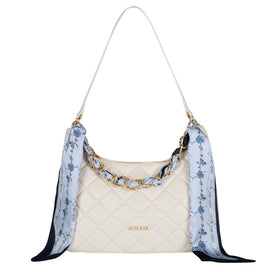
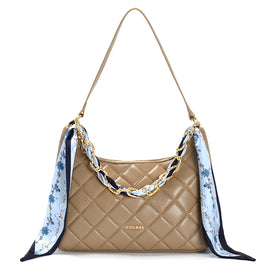
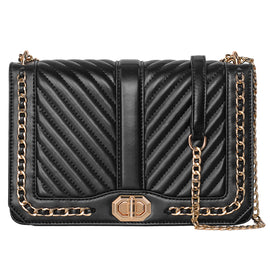
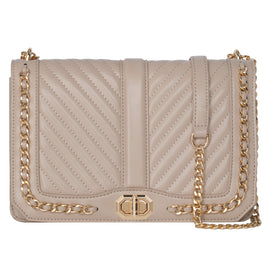


Handbag Manufacturer Guide: How to Choose the Right Factory for Your Brand
Choosing a handbag manufacturer is one of the most important decisions a fashion brand can make. A good factory does more than produce bags. It helps turn design ideas into products that are practical, well-made, and ready for the market. The right manufacturing partner can support your brand from material selection and sample development to bulk production, quality inspection, packaging, and long-term repeat orders.
For many brands, especially private label brands, retailers, wholesalers, and emerging fashion labels, the challenge is not simply finding a factory. The real challenge is finding a handbag manufacturer that understands your product direction, quality expectations, target price, and delivery schedule.
A lower unit price may look attractive at the beginning, but if the factory cannot control quality, communicate clearly, or deliver consistent production, the total cost can become much higher later. Delayed samples, unstable stitching, poor hardware, wrong colors, weak packaging, or unclear production updates can all affect your launch plan and brand reputation.
This guide explains how to choose the right handbag factory for your brand, what to check before starting production, and how to evaluate whether a manufacturer can support your business in the long term.
What Does a Handbag Manufacturer Do?
A handbag manufacturer is responsible for developing and producing bags based on a customer’s design, sample, product idea, or brand requirement. In B2B manufacturing, the role of the factory is much broader than simply sewing materials together.
A professional handbag manufacturer may support several stages of the product development process, including design discussion, material recommendation, pattern making, sample development, logo customization, hardware selection, bulk production, quality inspection, packaging, and shipment preparation.
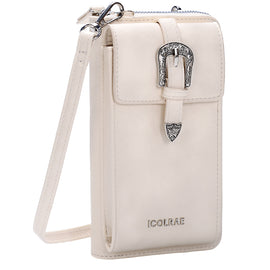
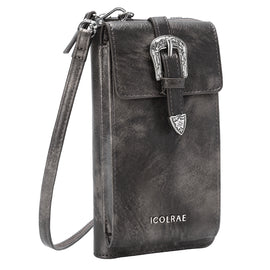
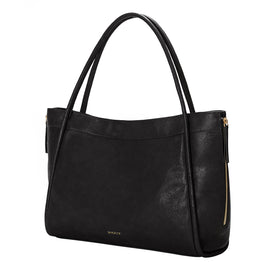
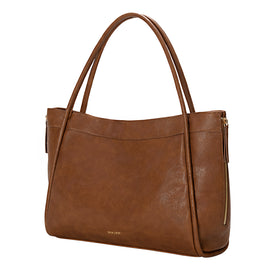
For example, if a brand wants to develop a custom tote bag collection, the manufacturer may help confirm the bag size, leather thickness, handle structure, lining material, inner pocket layout, zipper quality, logo method, and packaging style. If a brand wants to create a crossbody bag, the factory may need to check the strap length, buckle strength, flap structure, magnetic closure, edge finishing, and overall wearing comfort.
This is why choosing the right handbag manufacturer matters. A reliable factory does not only follow instructions. It also helps identify possible production risks before they become expensive problems.

Handbag Manufacturer vs. Handbag Supplier: What Is the Difference?
When searching online, many buyers come across terms such as handbag manufacturer, handbag supplier, bag factory, trading company, and private label handbag supplier. These terms are sometimes used together, but they do not always mean the same thing.
A handbag manufacturer usually refers to a company with real production capabilities. It may have its own production lines, workers, sample room, quality control process, and material sourcing network. This type of partner is suitable for brands that need custom handbag production, OEM/ODM development, private label services, or long-term repeat orders.
A handbag supplier may offer ready-made bags, stock items, or sourced products from different factories. Some suppliers are very useful for small orders or quick product sourcing, but they may not always have direct control over the production process.
A trading company can help buyers communicate with multiple factories and arrange sourcing. This can be helpful for some businesses, especially those unfamiliar with overseas purchasing. However, if your brand needs deep customization, stable production, and clear technical communication, working directly with a handbag manufacturer may offer better control.
For fashion brands, the key question is not only “Can this company sell me bags?” but also “Can this company develop, produce, inspect, and improve my bags consistently?”
If your goal is to build a long-term handbag collection with your own logo, materials, colors, hardware, and packaging, a manufacturer with OEM and ODM capability is usually the better choice.
Key Factors to Consider When Choosing a Handbag Manufacturer
Choosing a handbag factory should not be based on price alone. A strong manufacturing partner should be evaluated from several angles: product experience, customization ability, materials, sampling, quality control, production capacity, communication, and export experience.
1. Product Experience
The first thing to check is whether the factory has experience with the type of handbags your brand wants to produce. Different bag categories require different production techniques.
A tote bag may look simple, but it still requires stable structure, strong handles, clean stitching, and suitable material thickness. A shoulder bag may require better shape control and hardware matching. A crossbody bag needs careful attention to strap comfort, buckle strength, zipper smoothness, and daily-use durability. Cosmetic bags often require practical inner space, easy-clean materials, and neat finishing. Evening bags may focus more on shape, surface details, chain quality, and decorative elements.
A professional women’s handbag manufacturer should understand the structure and production requirements of different bag types, including tote bags, shoulder bags, crossbody bags, bucket bags, cosmetic bags, evening bags, and private label handbag collections.
Before working with a factory, ask what product categories they specialize in. A manufacturer that has produced similar products before will usually understand the details faster and reduce the risk of sample mistakes.
2. OEM and ODM Capability
OEM and ODM capability is especially important for brands that want customized products.
OEM handbag manufacturing means the brand provides the design, sample, drawing, or tech pack, and the manufacturer develops and produces the product according to those requirements. This is suitable for brands that already have clear product ideas and need a factory to turn them into finished goods.
ODM handbag manufacturing means the factory can provide design development support, existing styles, material suggestions, structure adjustments, and product ideas. This is useful for brands that want to build a collection more efficiently or need support during product development.
A good OEM/ODM handbag manufacturer should be able to help with:
-
Developing samples from sketches, reference photos, or physical samples
-
Adjusting bag size, shape, handle, strap, lining, and internal structure
-
Recommending suitable materials based on price range and market positioning
-
Customizing logo, hardware, zipper pullers, labels, and packaging
-
Supporting private label handbag production for brand clients
For many brands, the best partner is not just a factory that can “make the bag,” but a factory that can help improve the product before it reaches bulk production.
3. Material Options
Material selection has a direct impact on the final look, cost, durability, and market positioning of a handbag. A reliable custom handbag manufacturer should be familiar with a range of materials and able to explain the difference between them clearly.

Common handbag materials include PU leather, vegan leather, genuine leather, canvas, nylon, polyester lining, metal hardware, zippers, and decorative trims. Each material has different advantages and limitations.
PU leather is widely used in fashion handbags because it offers a wide range of textures, colors, and price options. Vegan leather is often chosen by brands that want an animal-free material direction. Genuine leather provides a premium feel but usually requires higher cost and more careful handling. Canvas can be suitable for casual tote bags or lifestyle collections. Nylon is often used when a lightweight and practical structure is needed.
A good manufacturer should not simply ask, “Which material do you want?” Instead, they should help you think through several questions:
Is this bag for daily use or occasional wear?
Does the customer expect a soft or structured shape?
Is the target price premium, mid-range, or entry-level?
Will the bag need to hold heavy items?
Does the surface need to resist scratches or stains?
Is the material suitable for the selected logo method?
Material knowledge is one of the areas where an experienced handbag factory can create real value for a brand.
4. MOQ Flexibility
MOQ, or minimum order quantity, is one of the most common questions brands ask when looking for a handbag manufacturer. New brands often want a lower MOQ to test the market, while established retailers may focus more on stable production, better pricing, and repeat orders.
However, MOQ is not always a fixed number. It can depend on the material, color, hardware, logo method, lining, packaging, and complexity of the design. For example, if a material needs to be custom dyed, the MOQ may be higher. If a metal logo or special hardware requires a mold, the development cost and minimum quantity may also increase.
A reliable factory should explain MOQ clearly instead of giving vague promises. It should also help buyers understand how design choices affect production quantity and cost.
For brands, the best approach is to discuss the expected order quantity early. If you are testing a new market, tell the manufacturer your launch plan. If you are preparing a seasonal collection, share the number of styles, colors, and estimated quantities. Clear communication helps the factory recommend a more realistic production solution.
5. Sampling Ability
Sampling is where many handbag projects succeed or fail. A sample is not just a preview of the final product. It is also a test of the factory’s understanding, technical ability, and attention to detail.
A strong sample should reflect the correct size, structure, material, color, stitching, hardware, lining, logo placement, and finishing method. If the sample does not match the design direction, the brand needs to know whether the issue comes from unclear instructions, material limitations, pattern problems, or production technique.
An experienced handbag manufacturer will usually review the sample carefully and explain what can be improved. For example, they may suggest adjusting the handle length, strengthening the bottom structure, changing the zipper type, improving edge finishing, or replacing hardware that does not match the bag’s weight.
When evaluating a factory’s sampling ability, pay attention to more than the first sample. Also check how the factory handles revisions. A good factory should communicate clearly, respond to feedback professionally, and make improvements based on agreed details.

6. Quality Control System
Quality control is one of the most important parts of handbag manufacturing. Even if the sample looks good, the bulk order still needs a clear inspection process to keep production stable.
A professional handbag manufacturer should have quality checks at different stages of production. These may include material inspection, cutting inspection, stitching inspection, hardware inspection, logo inspection, semi-finished product inspection, final product inspection, and packaging inspection.
For handbags, quality control should cover both appearance and function. The stitching should be clean and consistent. The zipper should open and close smoothly. The hardware should be firmly attached. The logo should be placed correctly. The lining should be neat. The strap should be strong enough for normal use. The size and shape should match the approved sample. The packaging should protect the product during shipping.
For brand clients, quality problems are not only production problems. They can become customer service problems, return problems, and reputation problems. This is why a factory’s quality control system should be checked before placing a large order.

7. Production Capacity and Lead Time
Production capacity matters when your brand needs stable delivery. A small workshop may be able to make samples, but it may struggle with larger or repeat orders. A larger handbag factory with organized production lines may be better suited for brands that need consistent output.

When evaluating production capacity, ask about the number of production lines, factory space, monthly output, worker experience, and how the factory handles peak seasons. You should also ask how lead time changes depending on order quantity, material availability, and product complexity.
Lead time is not only about how fast a factory can sew bags. It also includes material sourcing, sample confirmation, pre-production preparation, cutting, stitching, assembly, inspection, packaging, and shipment preparation.
A reliable handbag manufacturer should be honest about timing. Overpromising a short lead time can create serious problems later. It is better to work with a factory that gives a realistic schedule and updates you when any issue appears.
8. Communication and Export Experience
Good communication is often underestimated in handbag manufacturing. A factory may have production ability, but if communication is unclear, the project can still go wrong.
For overseas brands, communication should be detailed and organized. The manufacturer should be able to confirm product specifications, explain material options, provide sample updates, discuss quality issues, and keep production details clear.
Export experience is also important. A factory that has worked with international brands is more likely to understand requirements related to labeling, packaging, carton marks, product photos, shipping documents, and delivery timelines.
When choosing a handbag manufacturer, pay attention to how they communicate before the order is placed. Are they asking useful questions? Do they understand your product direction? Are their answers specific? Do they confirm details in writing? These early signs often reflect how the factory will communicate during production.
OEM vs. ODM Handbag Manufacturing: Which Is Right for Your Brand?
Many brands are not sure whether they need OEM or ODM production. The answer depends on how developed your product idea already is.
OEM is better if your brand already has a complete design, sample, tech pack, or clear product reference. You may already know the exact size, material, shape, color, logo method, and packaging. In this case, the factory’s role is to develop the sample and produce the final product according to your specifications.
ODM is better if your brand wants support with product development. You may know your target market and style direction, but you still need help with bag shapes, materials, structures, colors, or collection planning. In this case, the factory can provide existing designs, trend-based suggestions, or product development support.
Private label handbag manufacturing is often connected with both OEM and ODM. A brand may select an existing style and customize it with its own logo, color, lining, hardware, and packaging. This can be a practical option for brands that want to launch products faster while still building their own brand identity.
There is no single best model for every brand. The right choice depends on your design readiness, budget, timeline, and market strategy. For long-term development, working with a factory that supports both OEM and ODM can give your brand more flexibility.
Common Customization Options Offered by Handbag Manufacturers
Customization is one of the main reasons brands choose to work with a handbag manufacturer instead of buying ready-made products. A custom handbag manufacturer can usually support different levels of customization, from simple logo changes to full product development.
Common customization options include bag shape, size, material, color, lining, handle length, strap design, zipper type, hardware finish, inner pocket layout, logo method, labels, hangtags, dust bags, and outer packaging.
Logo customization can be done in different ways, depending on the material and brand positioning. Common methods include embossed logo, debossed logo, printed logo, metal logo, woven label, rubber patch, and zipper puller branding.
Hardware customization is also important. The color and quality of buckles, chains, rings, magnetic closures, and zipper pullers can change the overall look of the bag. For premium collections, even small hardware details can affect how customers perceive the product.
Packaging should not be ignored either. For private label handbag brands, packaging can include dust bags, hangtags, care cards, barcode labels, poly bags, tissue paper, and cartons. Good packaging protects the product and also supports brand presentation.
The best customization plan is not always the most complicated one. A professional factory can help you choose the right details based on your budget, target customer, and product positioning.

How the Handbag Manufacturing Process Works
Understanding the handbag manufacturing process can help brands communicate more effectively with factories. While every project is different, most custom handbag production follows a similar process.
Step 1: Design Consultation
The process usually begins with a discussion about your product idea. This may include bag type, target customer, price range, style direction, size, material preference, logo requirement, and expected order quantity.
At this stage, the more information you provide, the easier it is for the manufacturer to understand your needs. Reference photos, sketches, samples, material ideas, and packaging requirements can all be helpful.
Step 2: Material Selection
After the design direction is clear, the factory helps confirm suitable materials. This includes the outer material, lining, hardware, zipper, thread, reinforcement material, and packaging components.
Material selection should balance appearance, cost, durability, and production feasibility. A material may look good in a photo, but it also needs to work well with the bag structure and manufacturing process.
Step 3: Pattern Making
Pattern making is the technical step that turns a design into a workable bag structure. The pattern controls the size, shape, panels, seams, handle position, pocket layout, and assembly method.
A good pattern can make the final bag look cleaner and more balanced. A poor pattern can cause problems such as uneven shape, weak structure, uncomfortable straps, or difficult production.
Step 4: Sample Development
Once the pattern and materials are ready, the factory creates the first sample. The sample allows the brand to check the actual shape, size, material feel, color, logo effect, hardware, and overall quality.
This stage is important because it reveals details that may not be obvious in a drawing.
Step 5: Sample Revision
Most custom handbag projects need at least one round of adjustment. The brand may request changes to the size, strap length, material, color, logo placement, lining, pocket structure, or hardware.
A good factory should record these changes clearly and confirm the revised details before moving forward.
Step 6: Bulk Production
After the final sample is approved, the factory prepares for bulk production. This includes purchasing materials, arranging production schedules, cutting materials, stitching panels, assembling components, installing hardware, finishing edges, and preparing products for inspection.
For larger orders, production management becomes especially important. The factory needs to control consistency across all units, colors, and styles.
Step 7: Quality Inspection
Quality inspection should happen during and after production. The factory checks materials, stitching, logo, hardware, shape, size, lining, zipper function, strap strength, and packaging.
The goal is to make sure the final goods match the approved sample and the agreed quality standard.
Step 8: Packaging and Shipment
After inspection, the bags are packed according to the brand’s requirements. This may include dust bags, hangtags, poly bags, carton labels, and export cartons.
Good packaging helps protect the handbags during transport and gives the brand a more professional presentation when the products arrive.

Questions to Ask Before Working with a Handbag Manufacturer
Before choosing a handbag manufacturer, brands should ask practical questions. These questions can help you understand whether the factory is suitable for your project.
What types of handbags do you produce most often?
Do you support OEM and ODM handbag manufacturing?
Can you develop samples from sketches, photos, or physical samples?
What is your MOQ for custom handbag production?
How long does sampling usually take?
What materials can you provide?
Can you customize logo, hardware, lining, labels, and packaging?
How do you control quality during bulk production?
What is your usual production lead time?
Have you worked with overseas brands before?
Can you support repeat orders or seasonal collections?
How do you handle sample revisions and production updates?
A good manufacturer should be able to answer these questions clearly. If the answers are vague, inconsistent, or overly focused on price only, it may be a sign to be careful.
Common Mistakes Brands Make When Choosing a Handbag Factory
Many brands make similar mistakes when choosing a handbag factory, especially when they are new to custom production.
One common mistake is choosing only based on the lowest price. A lower price can be attractive, but it may come with weaker materials, poor stitching, unstable hardware, limited quality control, or delayed delivery. Price matters, but it should always be evaluated together with quality and reliability.
Another mistake is approving bulk production before the sample is fully confirmed. Small sample issues can become large problems in mass production. Before placing a bulk order, the brand should carefully check the final sample and confirm all details in writing.
Some brands also overlook material differences. Two materials may look similar in photos but feel very different in real life. Texture, thickness, softness, color stability, and durability all matter.
Another common issue is unclear communication. If the brand does not confirm specifications, logo placement, packaging, colors, and inspection standards, the factory may make decisions based on its own understanding. This can lead to misunderstandings later.
Brands should also avoid choosing a supplier without checking production capability. Good product photos do not always mean the company has stable factory capacity. It is important to understand whether the partner can support your actual order size, timeline, and quality expectations.
Why Many Brands Choose a China Handbag Manufacturer
Many fashion brands choose to work with a China handbag manufacturer because China has a mature handbag supply chain. Materials, hardware, zippers, packaging, logo techniques, and production resources are often easier to coordinate in one manufacturing ecosystem.
For brands that need custom handbag production, this can be a major advantage. A strong supply chain can make product development more efficient and give brands more options for materials, colors, hardware, and packaging.
China handbag manufacturers are also experienced in OEM and ODM production. Many factories work with overseas brands, retailers, wholesalers, and private label clients. This means they are often familiar with custom requirements, sample development, export packaging, and international communication.
However, not every factory is the same. Brands should still evaluate each manufacturer carefully. The right factory should have relevant product experience, clear communication, stable production capacity, and a quality control process that matches your brand’s expectations.
How HerminFashion Supports Handbag Brands
For brands looking for a reliable handbag manufacturer, HerminFashion supports OEM and ODM handbag production for fashion brands, retailers, wholesalers, and private label buyers.
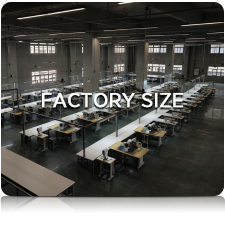
With 6 production lines, 4,000m² of factory space, a 300m² showroom, and monthly production capacity of over 75,000 bags, HerminFashion can support both sample development and bulk production. The team works with different women’s handbag categories, including tote bags, shoulder bags, crossbody bags, bucket bags, cosmetic bags, evening bags, and private label handbag collections.
HerminFashion can help brands with material selection, color matching, logo customization, hardware options, lining design, packaging details, sample development, production management, and quality inspection. Whether a brand already has a complete design or needs support developing a new collection, the goal is to make the process clearer, more efficient, and more reliable.
For B2B handbag projects, stable production and clear communication are just as important as product design. A good manufacturing partner should help brands reduce uncertainty, improve product consistency, and prepare each order for the market with confidence.
Final Thoughts: Choose a Handbag Manufacturer That Can Grow with Your Brand
Choosing a handbag manufacturer is not just about completing one order. It is about finding a production partner that can support your brand as it grows.
The right factory should understand your product category, target market, quality requirements, and customization needs. It should be able to develop samples carefully, recommend suitable materials, manage production clearly, inspect quality properly, and communicate throughout the process.
For brands building a long-term handbag collection, a reliable manufacturer can make product development smoother and reduce many risks that appear between design and delivery.
If your brand is planning a new handbag collection, working with an experienced OEM/ODM handbag manufacturer can help you move from idea to sample, and from sample to bulk production, with greater confidence.
FAQ
What is a handbag manufacturer?
A handbag manufacturer is a factory or production partner that develops and produces handbags for brands, retailers, wholesalers, and private label clients. A manufacturer may support design discussion, material selection, sample making, logo customization, bulk production, quality inspection, packaging, and shipment preparation.
How do I choose a handbag manufacturer?
When choosing a handbag manufacturer, check the factory’s product experience, OEM/ODM capability, material options, MOQ, sampling ability, quality control process, production capacity, communication, and export experience. The right manufacturer should be able to support both product development and stable production.
What is the difference between OEM and ODM handbags?
OEM handbags are produced based on the customer’s own design, sample, or tech pack. ODM handbags are developed with support from the factory, which may provide existing styles, design suggestions, structure adjustments, or material recommendations. Both models are commonly used in private label handbag production.
Can I customize logo and packaging for handbags?
Yes. Most custom handbag manufacturers can support logo and packaging customization. Common options include embossed logos, printed logos, metal logos, woven labels, hangtags, dust bags, care cards, poly bags, and customized cartons.
What types of handbags can a manufacturer produce?
A women’s handbag manufacturer may produce tote bags, shoulder bags, crossbody bags, bucket bags, cosmetic bags, evening bags, and private label handbag collections. The available product categories depend on the factory’s experience, equipment, and production team.
Why work with a China handbag manufacturer?
Many brands work with China handbag manufacturers because of the mature supply chain, wide material options, hardware availability, OEM/ODM experience, and flexible customization support. However, brands should still evaluate each factory carefully to make sure it matches their quality, communication, and production requirements.
