
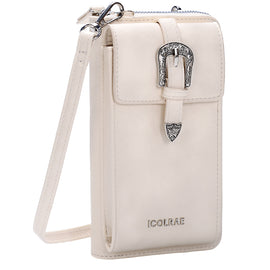
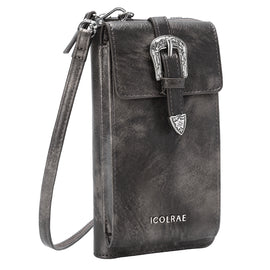
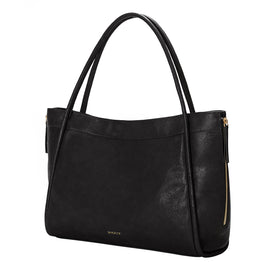
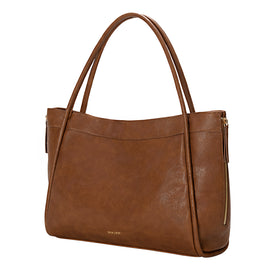
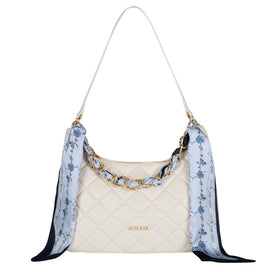
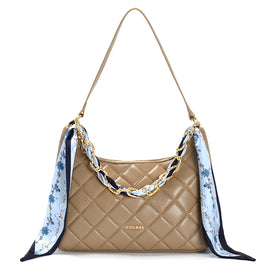




Understanding how handbag manufacturers calculate production costs is essential for brands planning custom bag production. The final price of a handbag is usually determined by several key factors that influence the overall manufacturing process.
1. Material Costs
Materials typically represent the largest portion of handbag production costs. These include:
-
Leather, PU leather, canvas, nylon, or recycled materials
-
Metal hardware such as zippers, buckles, and clasps
-
Lining fabrics and reinforcement materials
-
Packaging materials such as dust bags and boxes
Premium leather or specialty hardware can significantly increase production costs.
2. Labor and Manufacturing Processes
Labor costs depend on the complexity of the bag design and the number of production steps involved. For example:
-
Pattern making and cutting
-
Stitching and assembly
-
Edge painting or binding
-
Quality inspection
Highly detailed designs with multiple compartments or decorative elements often require more labor hours.
3. Tooling and Development Costs
Custom handbags may require additional development costs, including:
-
Custom molds for hardware
-
Logo stamping plates
-
Sample development and revisions
These costs are usually spread across the total production quantity.
4. Production Volume
Larger orders often reduce the unit price because manufacturers can optimize material purchasing and production efficiency.
5. Logistics and Packaging
Final costs may also include export packaging, labeling, and shipping preparation.
For brands working with experienced manufacturers, transparent cost breakdowns help improve budgeting and decision-making.
At HerminFashion, our team provides detailed cost analysis to help brands balance quality, design, and production efficiency.
If you want to learn more about how professional bag factories operate, explore the Handbag Manufacturing Knowledge Hub, where we answer many common questions about custom bag production.
